



The iBasso DX180 was kindly provided free of charge in exchange for an honest review. I didn’t receive monetary or any other kind of compensation and I don’t use affiliate links. The price of the DX180 is $529 and you can order it from here and here.
iBasso DX180
iBasso has been quite busy recently, continuously launching new products as they update their lineup. Following the replacement of the iBasso DX240 with the DX260, it is now the turn of the DX170 to be succeeded by the DX180.
The DX180 is iBasso’s most budget-friendly digital audio player (DAP), yet it doesn’t compromise on hardware and software capabilities. While it is a slightly toned-down version of the DX260, it still incorporates the same cutting-edge DAC matrix array.
Technical highlights
Rather than employing eight CS43198 DAC chips arranged in a matrix array as in the iBasso DX260, the DX180 utilizes four units of the CS43131. To my knowledge, this is the sole DAP within this category that incorporates four DAC chips collectively, a design that goes beyond the expected technical capabilities of the CS43131 and provides an exceptional dynamic range of 130dB along with an exceptionally low THD+N of -115dB.
After years of developing algorithms, iBasso’s FPGA-Master has now reached its second generation. Serving as the audio system controller, it directly requests audio data from the SoC and plays a crucial role in signal reproduction and maintaining signal integrity. It synchronizes and generates all audio clocks using two NDK femtosecond oscillators to achieve a fully synchronized single clock source. The FPGA-Master 2.0 also offers picosecond-level precise control and adjusts the DAC clock, data, and constructs the FIR filter.
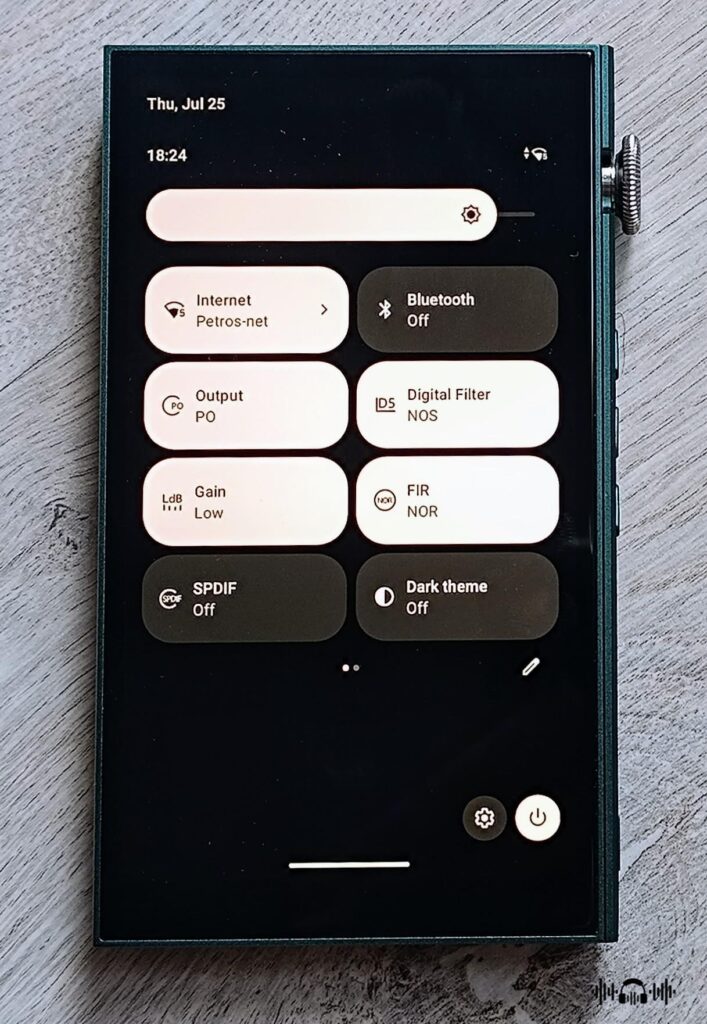
The FIR filter operates in a synchronous parallel output mode, reducing “discrete distortion” between DACs to enhance overall performance. The iBasso DX180 utilizes four DAC chips, limiting the FIR mode to 2x instead of the 4x of the DX260. The FIR can be enabled or disabled from the audio settings or the drop-down menu.
The DX180 is equipped with a specialized USB receiver for the USB DAC mode, ensuring minimal latency and enabling decoding of up to 768kHz/32bit PCM and DSD512. Additionally, the USB DAC mode offers support for ASIO and WASAPI output.
Design and build quality
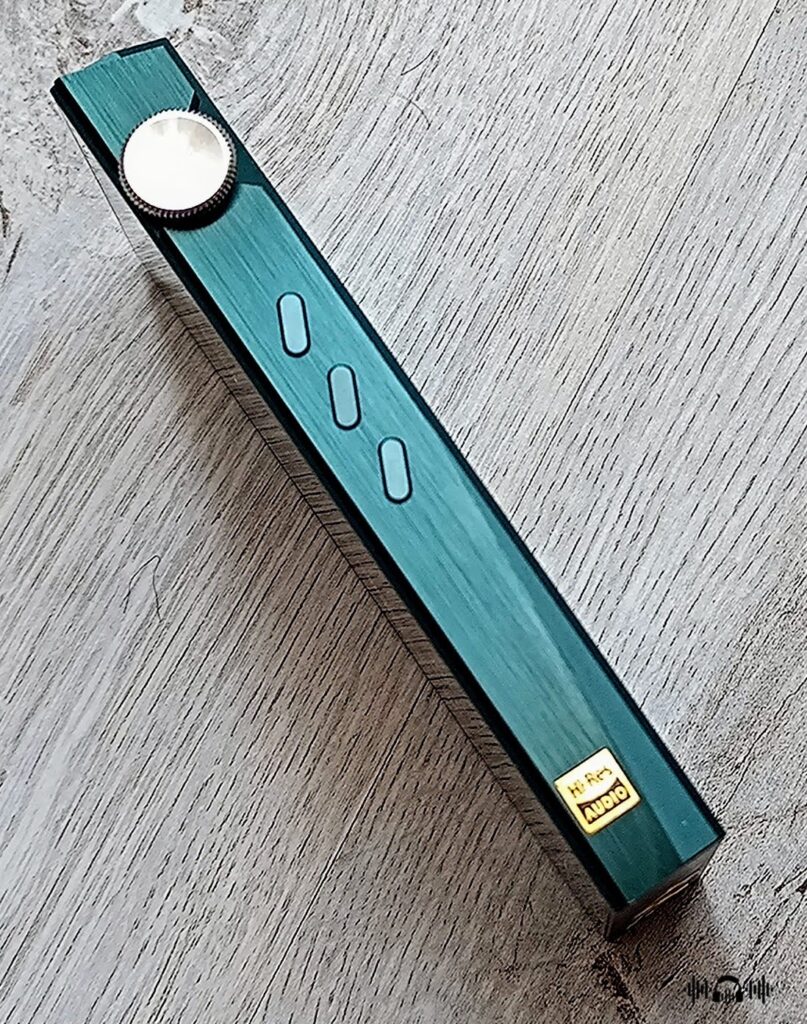
iBasso has unveiled their new design pattern with the DX260, featuring a chassis with angular and slightly aggressive lines. The DX180 follows this minimalistic and industrial aesthetic that diverges from their previous line of DAPs, which had rounder and smoother edges.
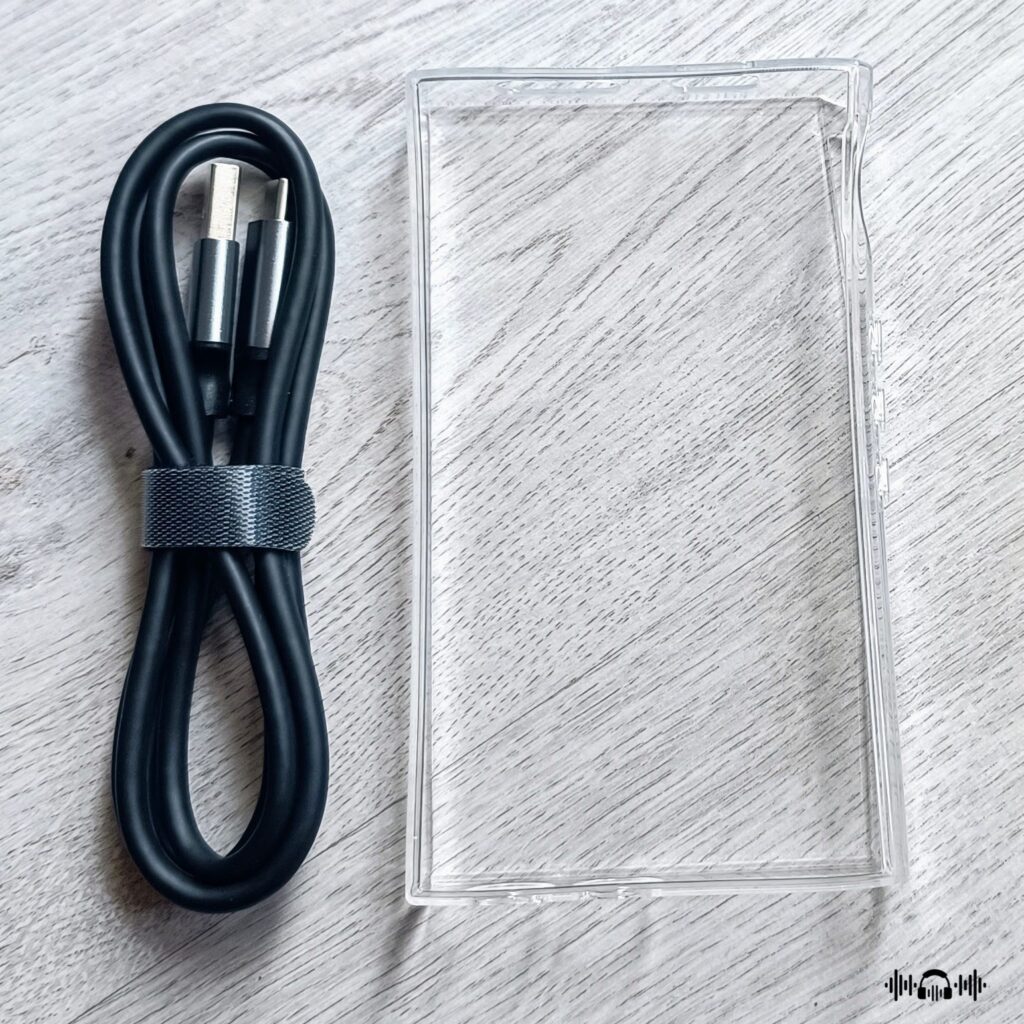
The DX180 closely resembles the DX260 in appearance, featuring the same compact dimensions of 123x75x16mm. However, weighing in at 206g, the DX180 is 23g lighter. A slight cosmetic variation can be seen on the right side of the chassis, where the volume control wheel is located. The DX180 is a compact and lightweight DAP that can conveniently fit in your pocket or comfortably rest in the palm of your hand. While the corners and edges may feel slightly sharp, the package includes a silicone protective case for added safety.
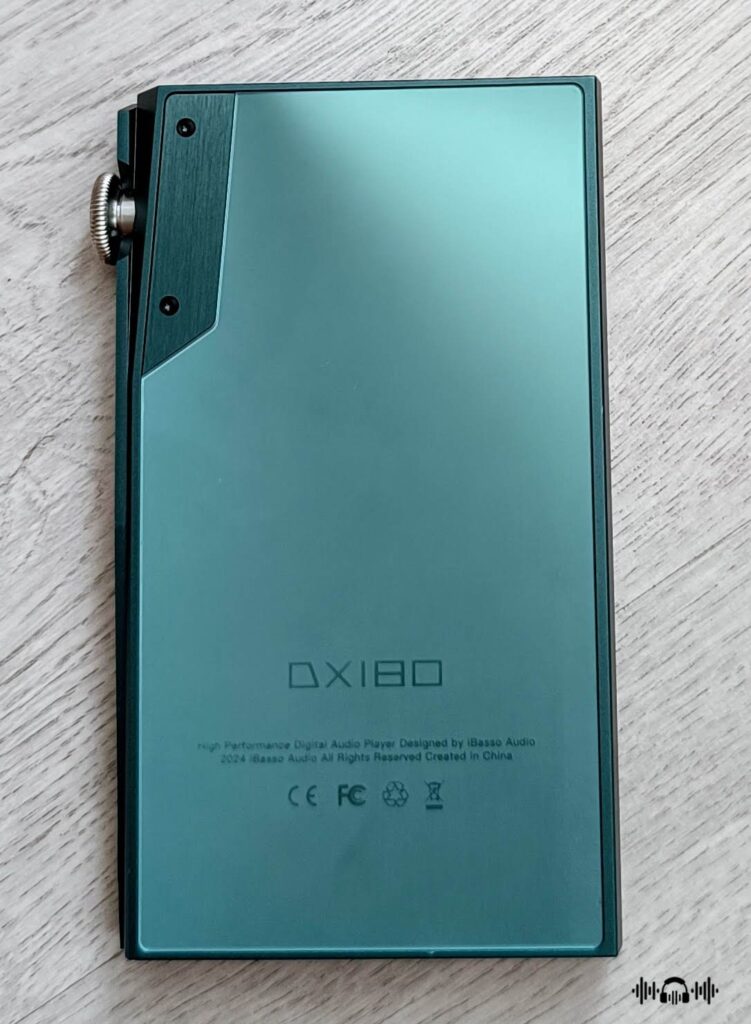
The iBasso DX180 showcases outstanding build quality and finish. Constructed from a single piece of CNC machined aluminum, the chassis is not only durable but also exudes elegance. The back cover is strengthened with a layer of hardened glass, enhancing its sophisticated appearance. Contrary to misconceptions, the iBasso volume wheel is robust and resistant to damage. With black, green, and blue finishes to choose from, the iBasso DX180 provides a range of stylish options.
Inputs and outputs
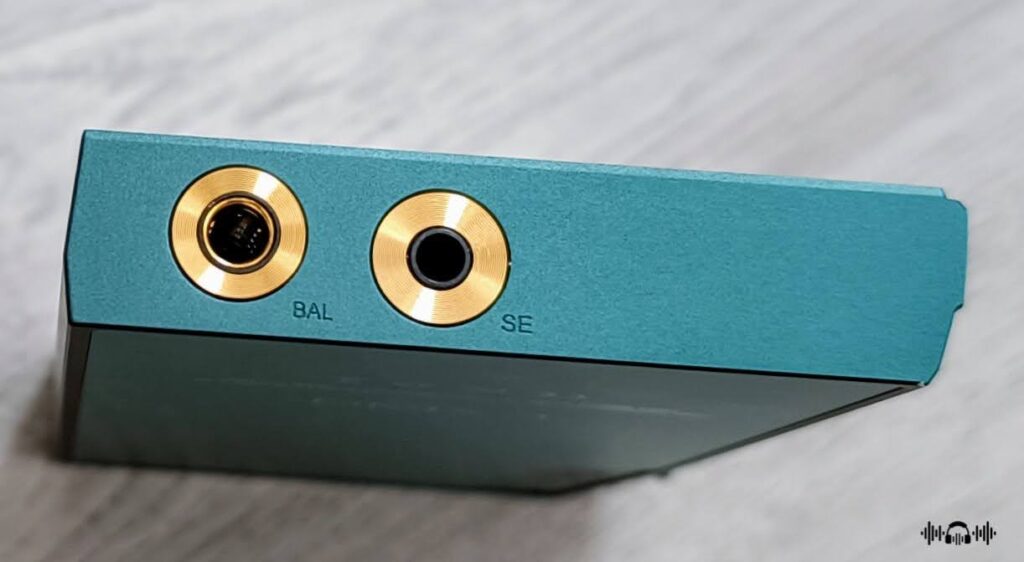
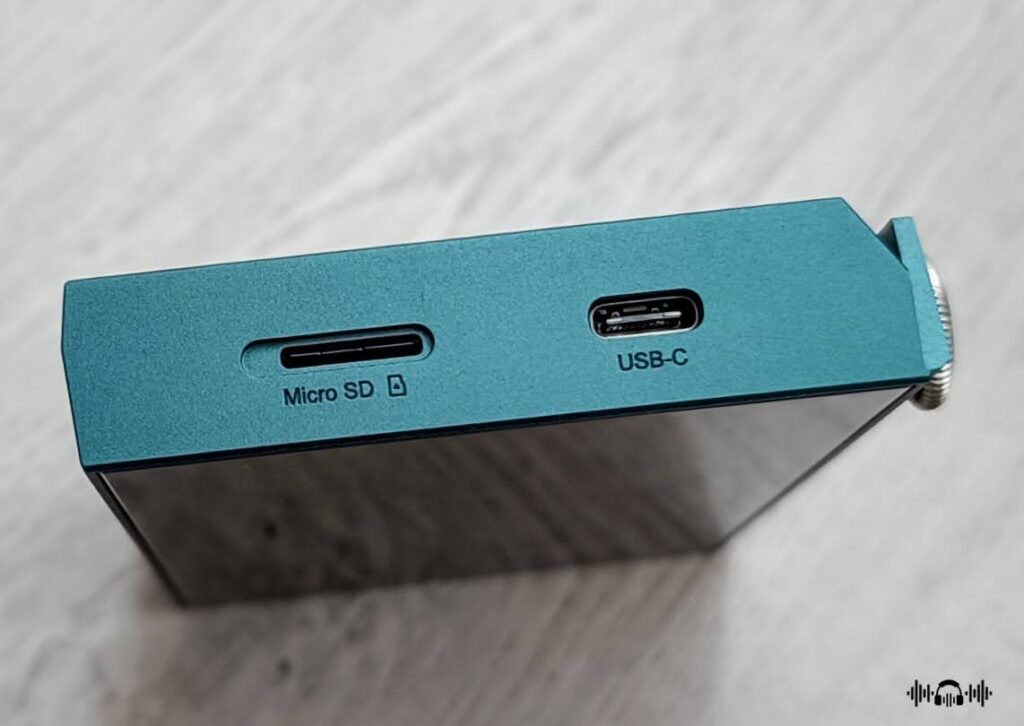
The design follows the standard iBasso configuration, featuring two headphone outputs positioned at the bottom of the unit, while the USB Type-C port and micro SD card slot are situated at the top. The 3.5mm output also serves as the SPDIF jack. On the right side, you will find the multifunction volume wheel along with three playback control buttons. This straightforward and minimalist layout is both practical and user-friendly.
Hardware and software
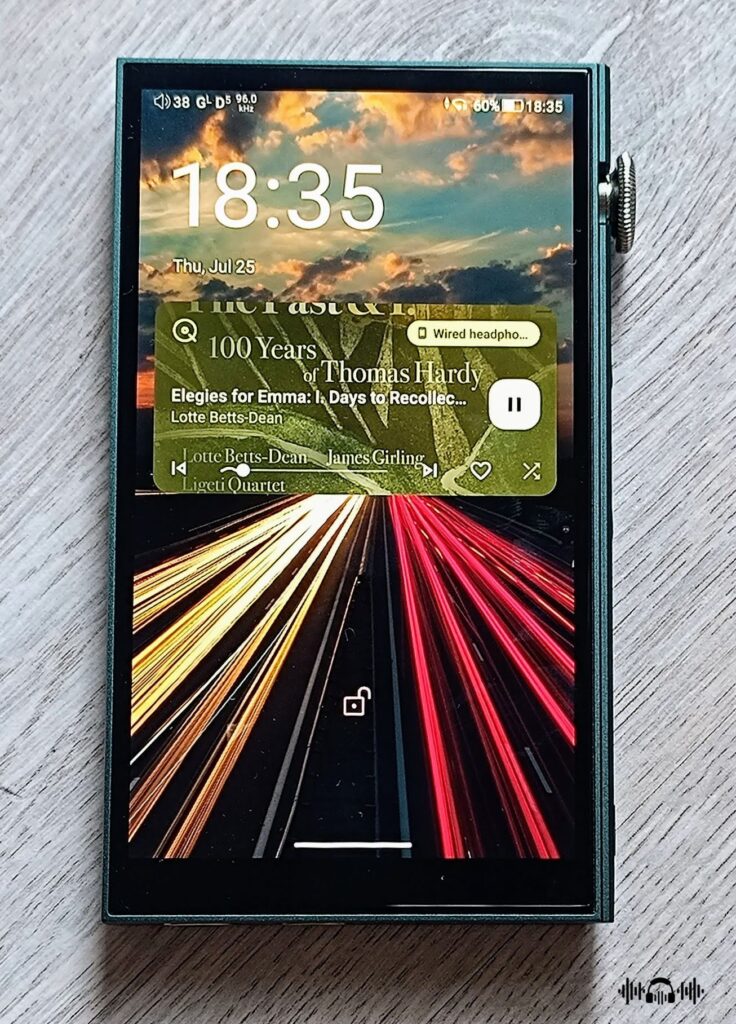
The iBasso DX180 is a standout among DAPs as it comes with the latest Android 13 OS pre-installed. To guarantee top-notch performance, iBasso has integrated the DX180 with a Qualcomm Snapdragon 665 SoC, 4GB of RAM, and 128GB of internal storage. The DX180 features a 5” SHARP display with a resolution of 1080*1920, offering vivid colors, great visibility in sunlight, and responsiveness, although it does not support double-tap action to wake.
User interface and experience
The iBasso DX180 offers a complete Android experience, allowing you to easily download all your favorite apps from the pre-installed Play Store. In contrast to the slower DX170, the DX180 is incredibly fast and smooth, ensuring seamless performance with any application. It offers strong and stable WiFi and Bluetooth connectivity, along with support for gesture navigation.
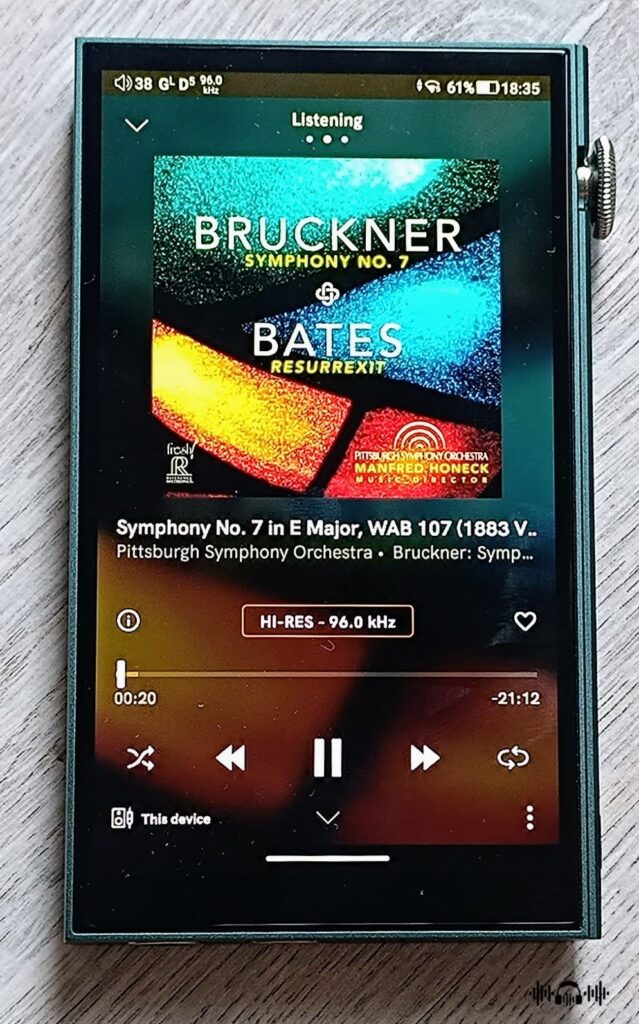
You have access to all standard Android menus, as well as audio settings where you can customize parameters such as digital filters, gain settings, volume levels, balance, and more. These settings can also be accessed from the user-configurable shortcut menu. While playing music, the upper bar conveniently displays sampling rate, digital filter, gain, and FIR mode. The DX180 is a user-friendly and highly responsive DAP that provides a delightful user experience.
Enhance your listening experience with the iBasso Mango player, which eliminates unnecessary tasks and focuses on delivering superior sound quality along with its powerful PEQ. Unlike the DX260, the DX180 does not have dual operating system support, and the Mango serves solely as a player application rather than a second OS. Additionally, the DX180 is equipped with a system-wide SRC bypass for flawless, bit-perfect music playback.
The user replaceable battery
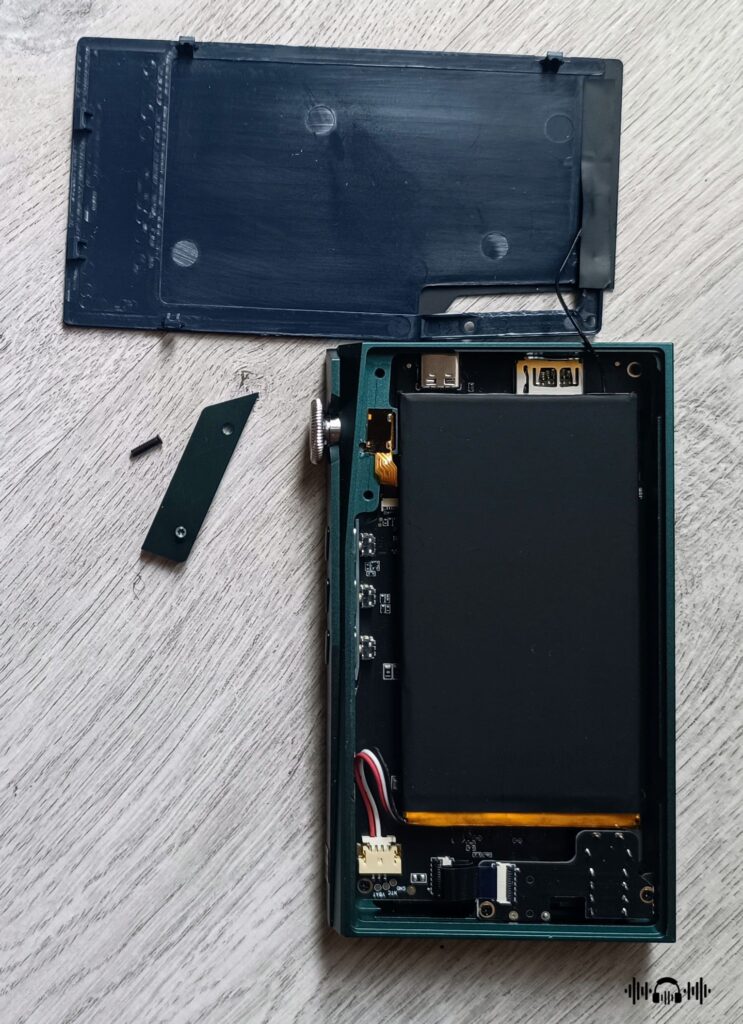
The iBasso DX180 is the second player on the market, following the iBasso DX260, to include a user replaceable battery. The process is quite simple – all you need to do is unscrew the two screws on the back cover to remove it and access the internal battery. The battery is secured with double sided adhesive tape and is connected to the main board with a small plug, so there is no need for any soldering. To obtain a replacement battery, you will need to get in touch with iBasso.
Battery duration
The 3200mAh battery is compatible with PD3.0 and QC3.0 fast charging. It takes only 60 minutes to reach 83% charge, and a full 100% charge is achieved in just 84 minutes. iBasso claims a battery life of up to 15.5 hours for the balanced phone output and an impressive 30 hours for the line out. While these numbers may seem optimistic, I have managed to get about 12 hours of playtime from the balanced output while streaming high resolution music. The battery duration for such a compact player is quite impressive.
Power output and noise
The iBasso DX180 features a maximum power output of 690mWpc/32Ω or 4Vrms (low gain) and 6Vrms (high gain), which may not be class-leading but is still very impressive and competitive. For comparison, the FiiO M11S ($499) offers 670mW/32Ω while the Shanling M5 Ultra ($589) can reach up to 1100mW/32Ω. The DX180 is capable of driving a wide range of earphones and full-sized headphones, such as the iBasso SR3 or the Focal Clear Mg. With two gain settings already available, low and high, it might be beneficial for iBasso to consider adding a medium setting in a future firmware update.
The DX180 has an impressive level of silence, completely free from any background noise or interference. It is considered one of the quietest DAPs available, with noise levels measuring as low as 0.79μV or 1.1μV at maximum volume through the balanced output. This makes it the perfect match for even the most sensitive earphones.
Listening impressions
iBasso possesses significant expertise with the CS43131 DAC chip; however, the DX180 showcases a remarkable implementation that has elevated its audio and measured performance to unprecedented levels, surpassing the achievements of any other manufacturer. The DX180 stands out as one of the finest digital audio players available, regardless of its price point. Its audio quality is remarkable, making it difficult for anyone to accept that this exceptional device is priced at $520. In my experience, this is among the best-performing DAPs I have evaluated, with no significant drawbacks to note. I assure you, my assessment is not an exaggeration as I always maintain a commitment to objectivity in all my evaluations.
The iBasso DX180 offers exceptional technical performance that goes beyond the standard for its category, along with a captivating sound profile that creates a strong connection between the listener and their favorite music. The sound is clear and transparent, with outstanding fidelity and precision, yet it avoids sounding clinical or sterile. The DX180 delivers a melodious and rich sound, filled with vibrant harmonies and overtones. The timbre is realistic, and the NOS filter enhances the natural flow of the music. While the DX180 may not have the most organic and analog-like sound compared to its competitors (such as the Cayin N3Ultra), it remains one of the least digital and artificial-sounding options available. Those who prioritize timbre realism and tonal precision without compromising on clarity and transparency will appreciate the DX180.
More listening impressions
The tonal balance remains neutral throughout, maintaining linearity. The low-end is both deep and extended, with fast, tight, and controlled bass that delivers impressive physical impact and dynamic contrast. The presentation is exceptionally clear and well-defined, allowing the bass to excel in layering and intricate detail retrieval, even with the most demanding material. When playing large scale symphonic works such as Mahler’s 9th symphony, the DX180 showcases remarkable separation and layering of bass instruments. While the DX180’s bass may not be overly visceral in texture, it is far from dry and lean, thanks to its natural reverb and touch of mild echo, resulting in a full-bodied, weighty, and realistic sound.
The mid-range offers remarkable spaciousness, clarity, and articulation, showcasing excellent definition and a commanding presence. The DX180 surpasses expectations for its category with its impressive resolving power and refinement, particularly excelling in delivering music that feels authentic and tonally precise. The sound profile is slightly lush and warm, characterized by a natural flow and abundant harmonic richness.
And more
The high frequencies are expansive, lively, and dynamic with abundant luminosity and clear transparency, yet it maintains a sense of control without any noticeable harshness or piercing brightness. The DX180 provides exceptional resolution, capturing even the smallest nuances, without sounding overly analytical or sterile. The tonality is realistic, free from any metallic tinge or excessive digital artificiality. The overall sound is cohesive, with a consistent texture that ensures high-pitched instruments are just as rich and substantial as their lower-pitched counterparts.
The iBasso DX180 delivers an expansive and extended soundstage, thanks to the seamless collaboration of the four DAC chips, offering exceptional separation and imaging. It allows you to envision a full symphony orchestra performing right before your eyes. While it may not have the most holographic soundscape, the DX180 is capable of producing a grand and immersive sound whenever necessary, adjusting seamlessly to the size of the ensemble without creating any artificial expansion.
The FIR filter effect
Activating the FIR filter can result in improved clarity, separation, and imaging of the sound but not in a night and day fashion. Differences are there but only for the attentive listener. However, some users may find the sound to be slightly sterile and dry in comparison to when the filter is disabled. Nonetheless, this feature is beneficial for those who prefer enhanced technical details and maximum transparency.
Vs iBasso DX170
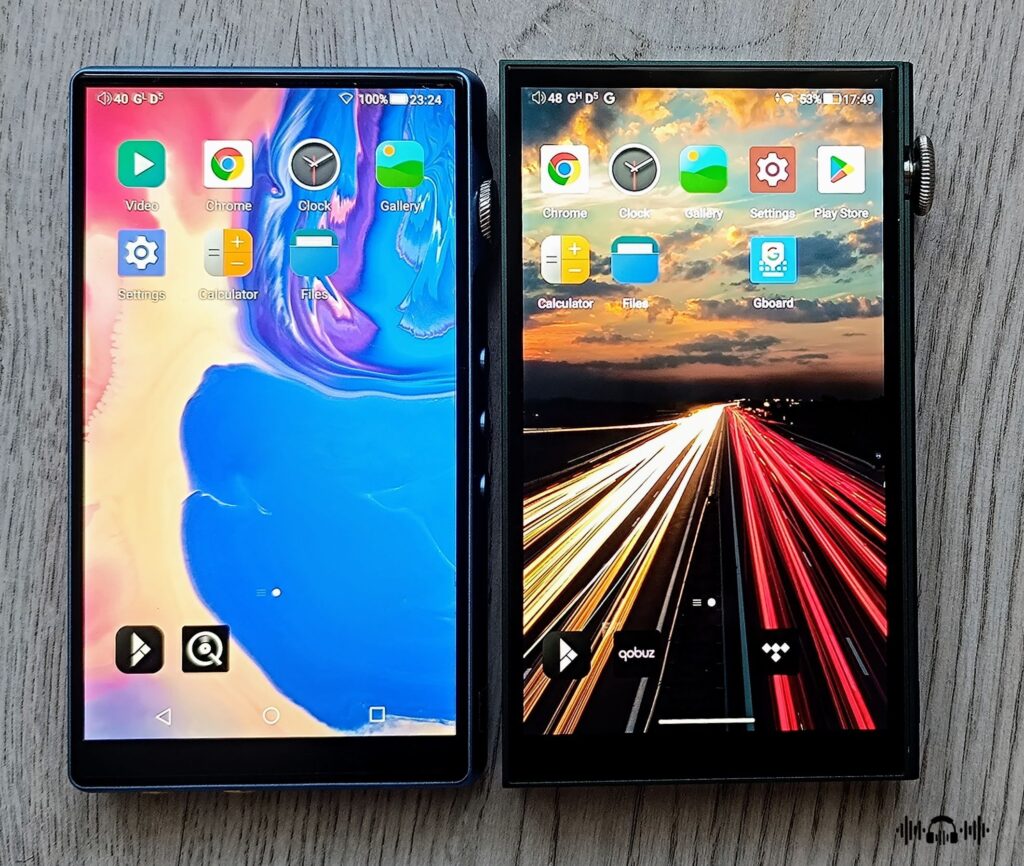
The DX180 represents a significant upgrade from the iBasso DX170 in terms of sound quality and hardware performance. It enhances the user experience by being notably faster and more responsive, featuring a vibrant and colorful screen, and a volume control wheel that is more effectively implemented and provides greater tactile feedback.
The audio quality is notably superior, exhibiting a more refined and mature character with a significantly more natural timbre compared to the DX170, particularly in the treble frequencies. The bass is richer and more substantial, showcasing enhanced technical precision. Additionally, the mid-range offers greater openness and harmonic diversity, resulting in an overall sound presentation that is remarkably realistic and lifelike compared to the DX170.
The user replaceable battery is also included, and the only feature I find lacking compared to the DX170 is its slightly slimmer chassis. Without a doubt, the iBasso DX180 is a clear evolution and a superior player to the DX170.

Vs iBasso DX260
The DX180 offers a more affordable alternative to the higher-end iBasso DX260, while still maintaining the same DNA. At $520, it provides a glimpse into the capabilities of its pricier counterpart, with a slightly more laid-back and forgiving sound signature. Quite impressive, wouldn’t you agree?
Vs FiiO M11S
Although both players have similar compact dimensions, the FiiO M11S weighs 26g more than the DX180. The DX180 operates on the latest Android 13 OS, as opposed to the outdated 10, and features more powerful hardware, a higher resolution screen, and a user-replaceable battery. On the other hand, the FiiO M11S comes with a customizable multifunction button and supports AirPlay/DLNA wireless mode. Both players offer the same power output and average battery duration.
It is not surprising that these two players exhibit different sound signatures. The DX180 offers a fuller and punchier low-end with a more natural reverb, resulting in a less dry sound compared to the FiiO M11S. On the other hand, the M11S excels in clarity, layering, and definition. The mid-range of the DX180 showcases better liquidity and flow, resolving harmonies in a more varied and colorful manner, while the M11S provides a more spacious and airy sound.
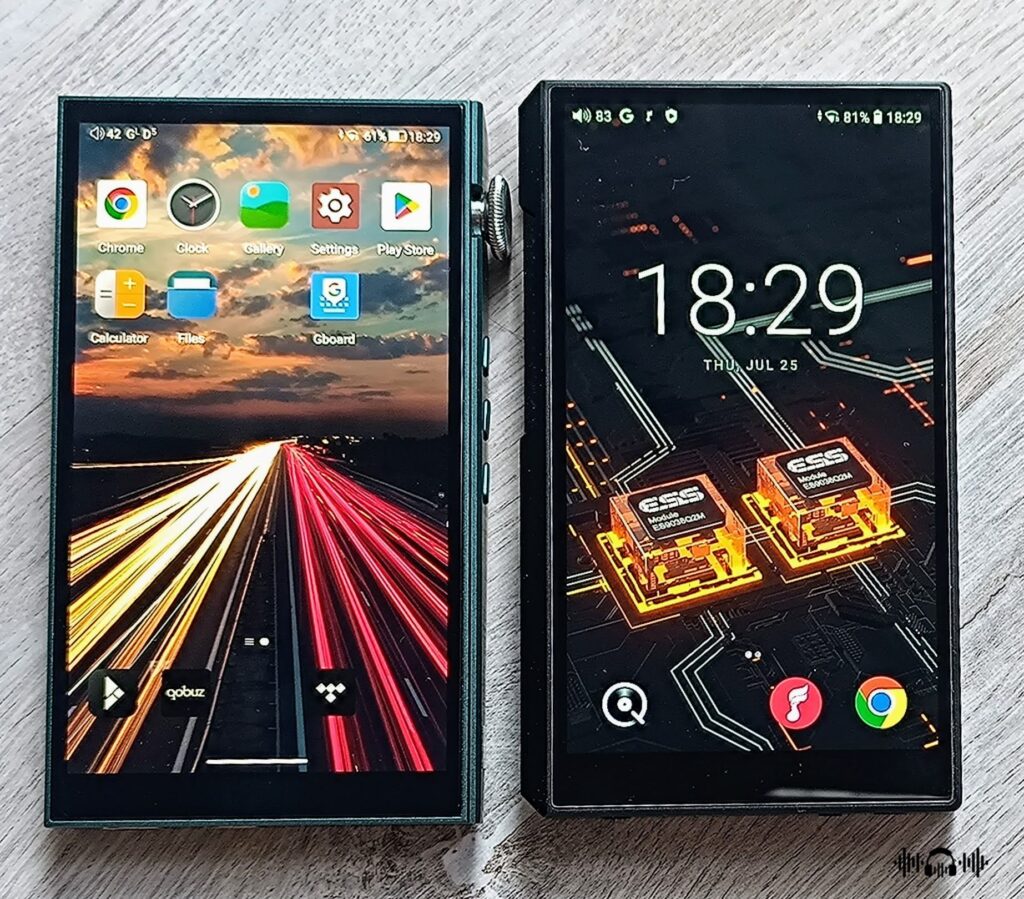
In terms of timbre, the DX180 offers a more realistic sound compared to the clinical and sterile sound of the M11S. The treble in the DX180 is smoother and more controlled, whereas the FiiO M11S is more energetic, clean, and slightly sharper and brighter. The M11S demonstrates faster and less relaxed manners than the DX180, but it also shows some traces of digital artificiality. Overall, the M11S is a more technical player, while the DX180 strikes a balance between technicalities and musicality.
In the end
The iBasso DX180 stands out as one of the top digital audio players available, offering exceptional sound quality at a reasonable price. Its audio performance is outstanding, with no significant drawbacks to note, surpassing even the highest expectations.
This is is a portable DAP that is compact and lightweight, featuring a great battery life and sufficient power to support a wide range of headphones. It also comes with a user replaceable battery and runs smoothly on the latest Android 13 OS.
iBasso has definitely hit the mark with their latest DAP the DX180 as well as with the impressive DX260, leaving me eagerly anticipating what innovations they will bring to the table when it’s time to upgrade from their current flagship model, the DX320.
Copyright – Petros Laskis 2024.
+ Exceptional audio performance
+ Excellent technicalities and transparency
+ Great fidelity and clarity
+ Natural timbre without much artificiality
+ Punchy and dynamic low-end
+ Dead silent even with the most sensitive earphones
+ Expansive soundstage with precise imaging
+ Compact and lightweight
+ Good battery duration
+ Doesn't get warm
+ Excellent build quality
+ User replaceable battery
+ Fast and responsive running Android 13 OS
+ Vibrant and colourful screen
+ Impressive value for money

- Not class leading in power output
- No double-tap action to wake the screen
- Not as slim as the DX170












Leave a comment