



The iBasso DX260 review sample was kindly provided free of charge in exchange for an honest review. I didn’t receive monetary or any other kind of compensation and I don’t use affiliate links. The price of the iBasso DX260 is $949 and you can buy it from iBasso.eu.
iBasso DX260 Review
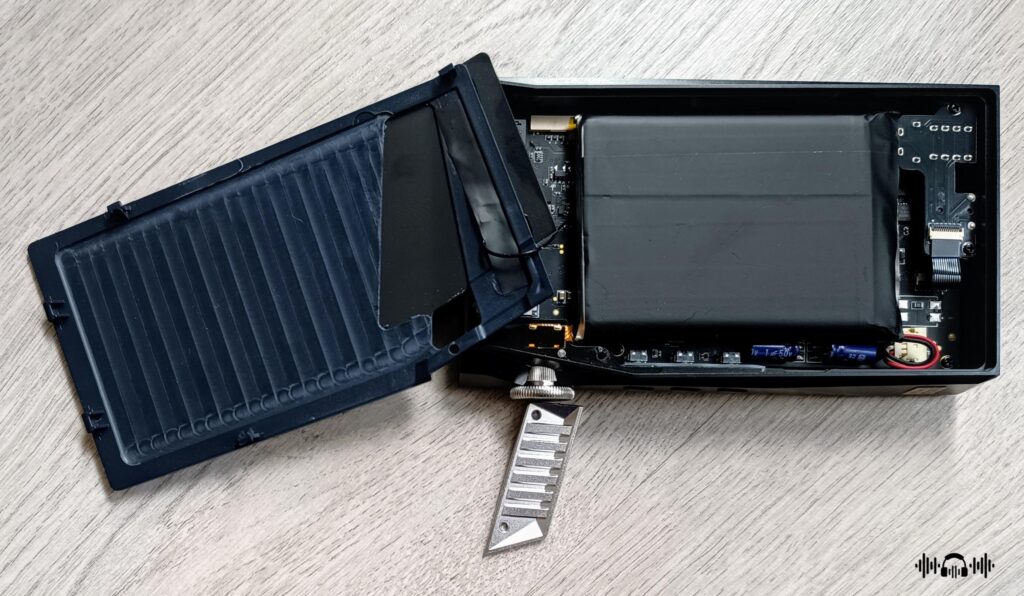
iBasso’s latest mid-range digital audio player (DAP), the DX260, has arrived as the successor to the highly praised and award-winning DX240. Unlike its predecessors, the DX260 no longer supports the modular amp-card system, meaning you cannot customize the sound signature by swapping amplifier modules. However, iBasso has introduced a new feature in the DX260 – an easily removable back cover that provides full access to the battery. This allows users to effortlessly replace the battery themselves, simplifying the process.

Technical highlights
The iBasso DX260 stands out as the pioneer in the world of Digital Audio Players (DAP) by incorporating an innovative octa-DAC chip matrix. This groundbreaking design utilizes eight CS43198 flagship DAC chips, with four chips dedicated to each channel, resulting in exceptional performance and unmatched measurements.
iBasso’s FPGA-Master has undergone extensive algorithm development and now enters its second generation, known as 2.0. Serving as the audio system controller, it plays a crucial role in reproducing signals and maintaining signal integrity. By directly requesting audio data from the SoC (System on a Chip), it ensures a seamless and synchronized audio experience. This is achieved through the utilization of two NDK femtosecond oscillators, which generate and synchronize all audio clocks, providing a fully synchronized single clock source.
Furthermore, the DX260 has a dedicated USB receiver, specifically designed for USB DAC mode. This feature offers low latency and supports ASIO/WASAPI, enhancing the overall audio performance. The device supports high-resolution audio formats up to 768kHz/32bit PCM and native DSD256.
The FIR filter
The FPGA-Master 2.0 allows for further exploration and development of the potential of the 8pcs CS43198. The DX260 is equipped with a synchronous parallel output mode that minimizes “discrete distortion” between DACs, enhancing overall performance. It enables precise control and adjustment of the DAC clock and data at a picosecond level, allowing for independent adjustment of each DAC data stream. By utilizing the “delay parallel” of 4 DACs, a hardware analog FIR filter is created, which helps in averaging the differences between multiple DACs, reducing distortion, and enhancing sound details and realism effectively. Users can choose to turn off the FIR filter or enable it in 2x or 4x sampling modes.
Design and layout
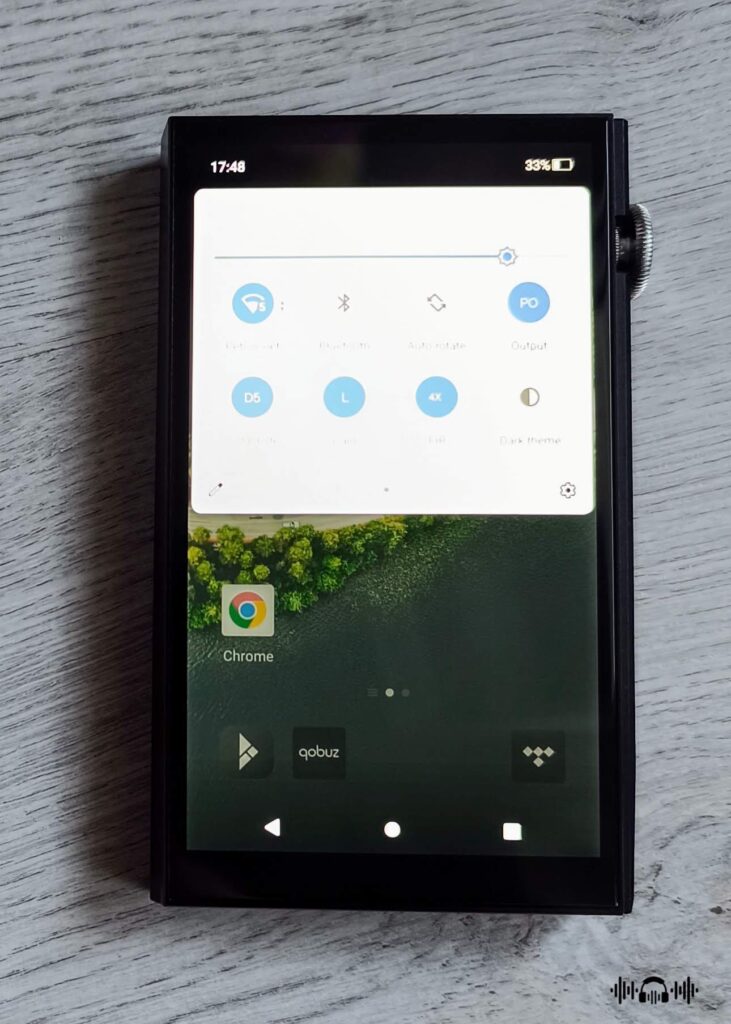
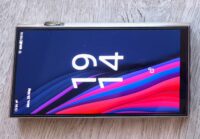
The previous iBasso DAPs, including the DX240 and DX320, featured a chassis with sleek, curved corners and rounded edges. In contrast, the DX260 boasts a fresh, angular design accented by asymmetrical lines, sharper corners, and more defined edges. This combination creates an industrial and more aggressive design. Despite its lightweight and compact size, which allows it to fit comfortably in the palm of your hand and be easily operated with one hand, the sharp corners may feel slightly piercing. However, to address this concern, the DX260 comes with a silicone case included as a standard accessory.
The design is sleek and simplistic, with the characteristic iBasso multifunctional wheel and playback control buttons located on the right side of the DX260. Despite appearing delicate, the wheel is quite sturdy due to its deep shaft within the chassis, ensuring durability. The rotation may not be as smooth initially, requiring some time to break in.
Located at the top of the device are the 3.5mm SPDIF jack, USB 3.1 type-C port, and a micro-SD card slot without a dust cover. The bottom features the 3.5mm single-ended and 4.4mm balanced headphone outputs, which can also function as line level outputs with fixed or variable levels.
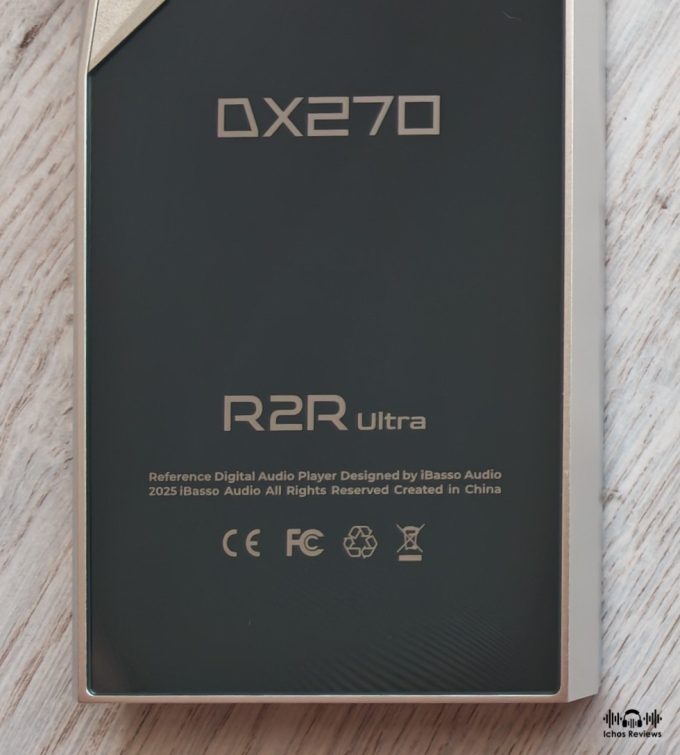
Crafted from a single block of machined aluminium, the chassis boasts a top-notch finish and assembly. It’s worth mentioning that the back cover is reinforced with hardened glass.
Operation and user experience
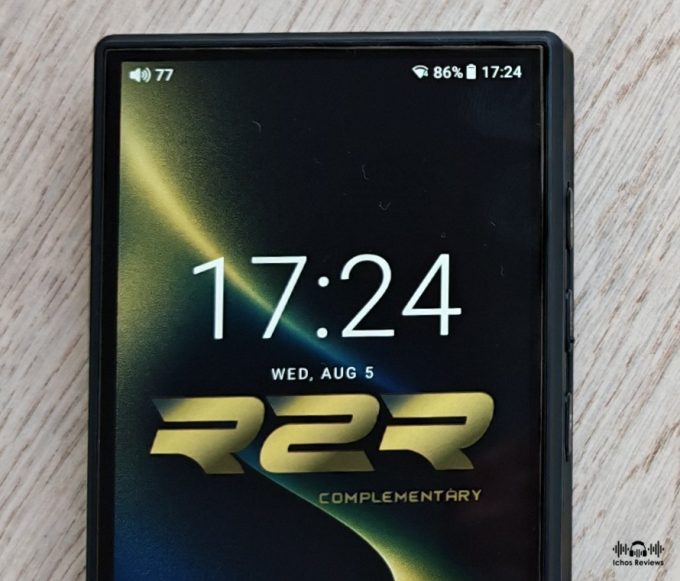
The DX260 runs on a Snapdragon 660 SoC paired with 4GB of RAM and 64GB of ROM, delivering a smooth user experience. It operates swiftly and responsively across various applications, with no signs of lagging. The 5-inch touch panel allows easy one-handed use, showing excellent visibility and vibrant colors. Streaming services such as Tidal and Qobuz perform efficiently, allowing seamless internet browsing and multitasking without any interruptions.
Moreover, the DX260 features USB and Bluetooth DAC functionality, along with the capability to output digital streams via USB or digital coaxial, making it suitable for use as a transport to an external DAC.
Dual OS system
Just like all iBasso players, the DX260 includes a dual operating system that allows users to select either a customized Android 11 OS or iBasso’s own Mango OS for a high-quality and pure listening experience. The Android 11 OS includes the official Google Play Store pre-installed, making it simple to download preferred applications. Additionally, users will have access to familiar Android features such as the drop-down menu and various customization options.
The Mango OS
The Mango OS prioritizes superior sound quality by eliminating non-essential tasks. It restricts the use of streaming services, permitting only local playback from the SD card and USB DAC mode. Additionally, the Mango OS features powerful graphic and parametric equalizers. You can expect swift database access speeds and quick build times, even when using high-capacity SD cards.
Battery duration
The battery has a capacity of 4400mAh and supports fast charging, allowing for a full charge in approximately 2.5 hours. iBasso states an average playtime of 14 hours, which may be slightly optimistic, however, the actual duration proved to be quite satisfactory. When using the player with its balanced output, in the low gain setting, streaming high-resolution content, I was able to enjoy 10 hours of continuous use. Furthermore, it is possible to charge and use the device simultaneously, although there is no desktop mode available that bypasses the battery.

Replacing the battery
The user can easily replace the battery due to the removable back cover. Simply utilize a torx screwdriver to unscrew the two screws that secure the metallic part holding the back cover. Afterward, cautiously remove the back cover, ensuring not to damage it, and gain complete access to the battery. The replacement process is straightforward and does not require any soldering.
Accessories
The bundle consists of a silicone protective cover, a USB type-C cable, a 3.5mm to RCA coaxial (SPDIF) cable, the renowned iBasso burn-in cable, and documentation. An optional premium leather case can be purchased individually for $59.
Power output and associated gear
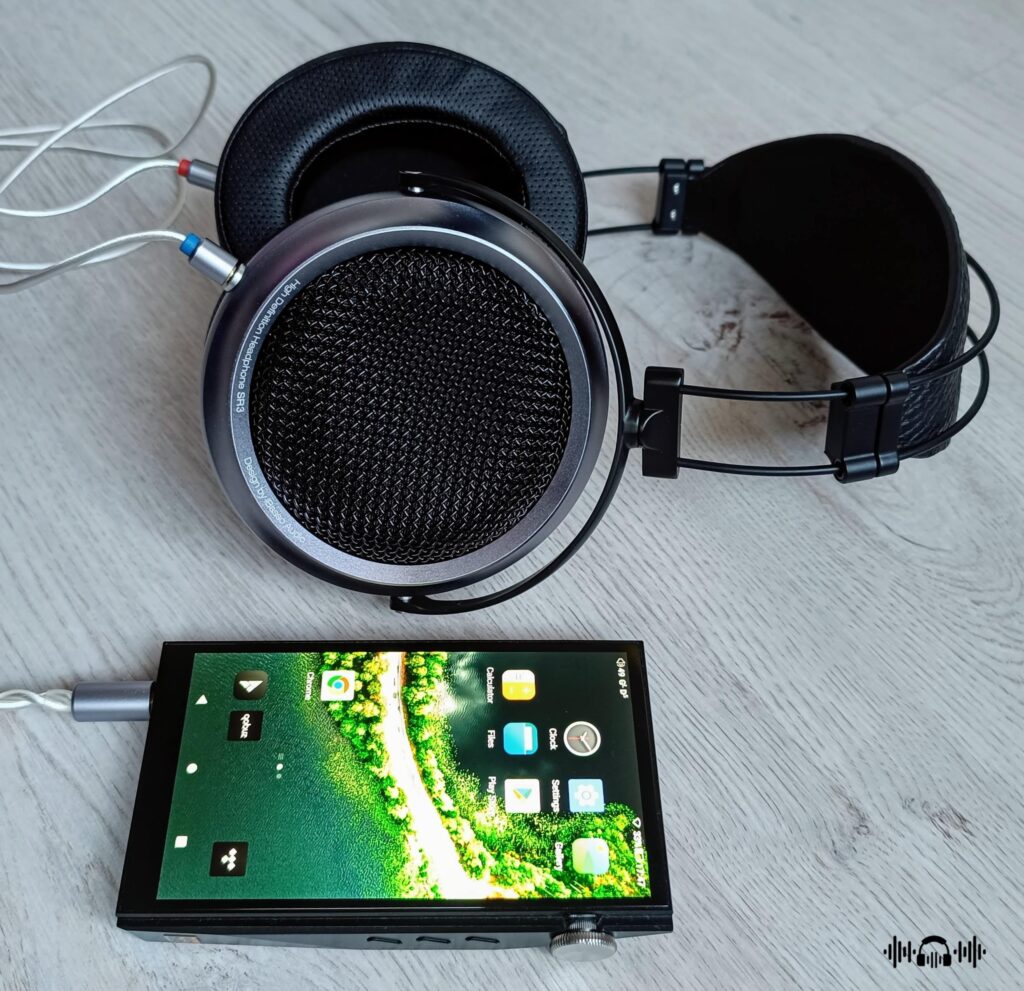
The DX260’s balanced output can deliver a maximum power output of 6Vrms or 1015mWpc/32Ω, while the 3.5mm jack provides 3Vrms, 280mWpc/32Ω. Although it may not be the most powerful DAP in its category, it still possesses enough power to drive a wide range of headphones, including the iBasso SR3, HIFIMAN Arya Organic, Sennheiser HD660S2, and Meze Liric 2, which were used for the review.
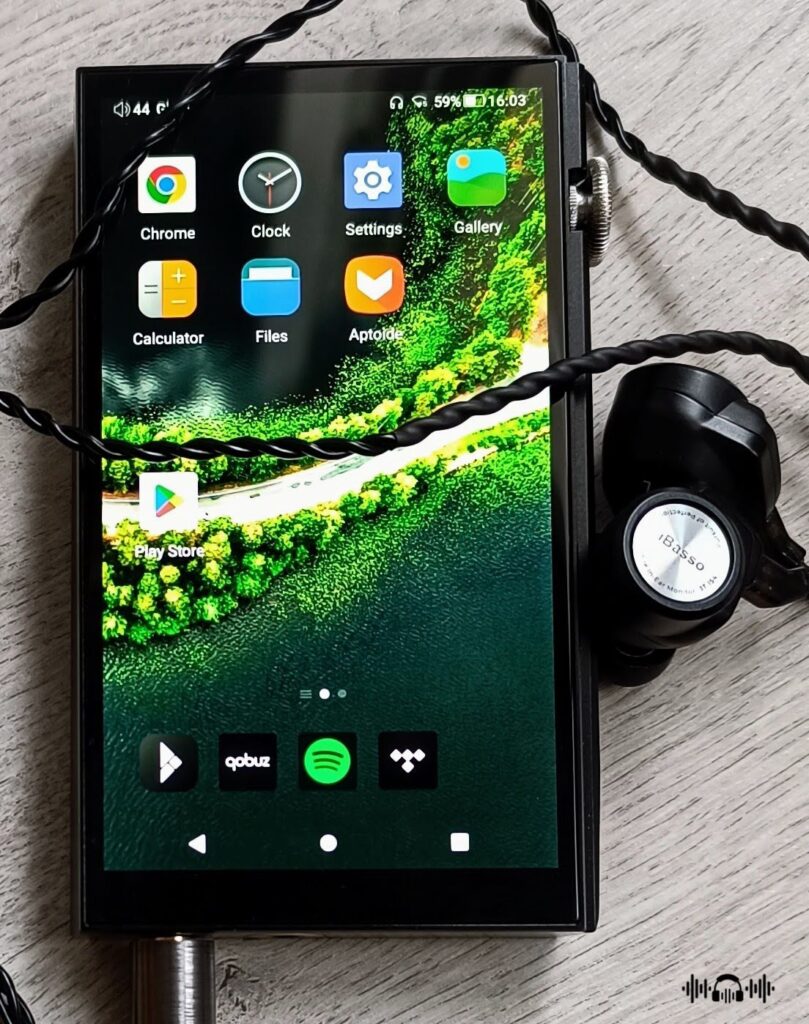
In terms of background noise, the device is virtually silent, making it suitable for use with even the most sensitive earphones such as the iBasso 3T-154, FiiO FX15, and Soundz Avant.
All headphone and earphone cables used are from Lavricables. Following standard practice, the iBasso DX260 underwent over 100 hours of continuous music playback and was updated to the latest 2.02 firmware.
Listening impressions
To put it simply, the iBasso DX260 stands out as the most transparent and neutral player I have ever had the opportunity to test. While all iBasso DAPs are known for their linearity and neutrality, the DX260 has managed to surpass them all, as well as most other players in the market. It’s worth noting that there are indeed other DAPs that are neutrally tuned and transparent, and I can think of quite a few of them, however, iBasso has taken neutrality, fidelity, and transparency to new heights with the DX260. What sets it apart even further is its ability to maintain its transparency and neutrality without any digital glare or artificial treble. The DX260 is truly unique, offering masterclass fidelity and precision without sounding sterile or clinical. This is a remarkable achievement from iBasso that is sure to be appreciated by many.
Upon using the iBasso DX260, rest assured that you are truly experiencing the sound characteristics of your headphones and the source material’s quality rather than the player itself. While some may feel let down by the unavailability of swapping amp cards as seen in other iBasso DAPs, the DX260 caters to purists. It is designed for individuals who require assurance of possessing the most transparent and linear-sounding DAP that ensures reference technicalities without any additional sound alterations.
It is essential to highlight once more that the DX260 offers exceptional clarity and transparency, which does not translate to a dull or boring listening experience. Unlike a sterile measuring device or a clinical monitoring tool, the DX260 delivers a musical and immersive sound with rich overtones, colorful harmonies, and lifelike timbre, making the sound produced by the DX260 truly exceptional.
More listening impressions
The technical specifications are top-notch and can only be compared to high-end DAPs. The bass is rich, prolonged, with outstanding precision, remarkable clarity, and an incredibly impressive layering that surpasses expectations. Challenge the iBasso DX260 with your most intricate and demanding audio files, and it will excel effortlessly. Without any difficulty, it reproduces the subtlest details and even the quietest notes while maintaining an astonishing dynamic range and impactful sound. The textures may not be overly robust or intense, but they are perfectly balanced, not too thin or dry either.
The mid-range exhibits exceptional clarity and refinement, surpassing its competitors yet again in terms of resolution, precision, and fluidity. The sound quality is remarkably natural and lifelike, while maintaining a neutral sonic signature that neither leans towards warmth nor coldness. The treble is vibrant and lively, extending exceptionally well and radiating light. The DX260 portrays a swift and nimble performance, far from being a laid-back and relaxed player. It does have a slightly bright character, but rest assured that it does not produce any harsh or piercing sounds. However, it is worth noting that this player may not be forgiving towards low-quality recordings, especially when paired with headphones that have a bright or analytical sound signature.
And more…
The DX260 shines with a remarkable refinement, with textures that are exceptionally smooth and free of any roughness. Detail retrieval is outstanding, allowing even the faintest notes to be heard against a background of absolute silence. Every sound within the recording is vividly captured. Despite its precision, the player’s presentation is far from analytical or monotonous. Rather, it expertly weaves together all the details to create a complete and lifelike musical experience.
The DX260’s separation and imaging capabilities are truly exceptional, setting a new standard in its class. I have yet to come across another player that can surpass it in these aspects. Not only can you distinguish the sound of each instrument, regardless of their number, but you can also clearly perceive the precise positioning of the performers during the recording. While headphones typically don’t replicate the experience of speakers, the DX260 has the ability to deceive you into thinking you’re listening to a high-quality 2-channel system. Moreover, the soundstage is remarkably expanded and holographic, creating an immersive and grandiose auditory experience with a stunning sense of ambiance. In fact, the DX260 can even transform soundstage-shy headphones like the Sennheiser HD660S2, making them sound more open and spacious than you could ever imagine.
Further sound tweaks
Choosing the 2x and 4x sampling options on the FIR filter will improve the clarity, separation, and imaging of the sound. However, you may notice a slightly sterile and dry sound compared to having the filter deactivated. The DX260 operates optimally with the Mango OS, providing a slightly better transparency and fidelity than the Android OS. These features, along with the five digital filters, allow for precise adjustments to match the player’s sound signature with different headphones and music genres.
Vs the FiiO M15S
The FiiO M15S, priced at $999, features a larger 5.5” display and a higher capacity 6200mAh battery. However, the screen is of lower resolution and not as vibrant as that of the DX260. The M15S is bulkier and heavier compared to the iBasso DX260, making it less pocket-friendly. The M15S has a bit more power at 1200mW/32Ω and includes a desktop mode that bypasses the battery, a feature absent in the DX260. On the other hand you can’t replace the battery as you can do with the DX260. Both devices utilize the same SoC and 4GB of RAM, but the iBasso DX260 operates on Android 11 while the M15S runs on Android 10.
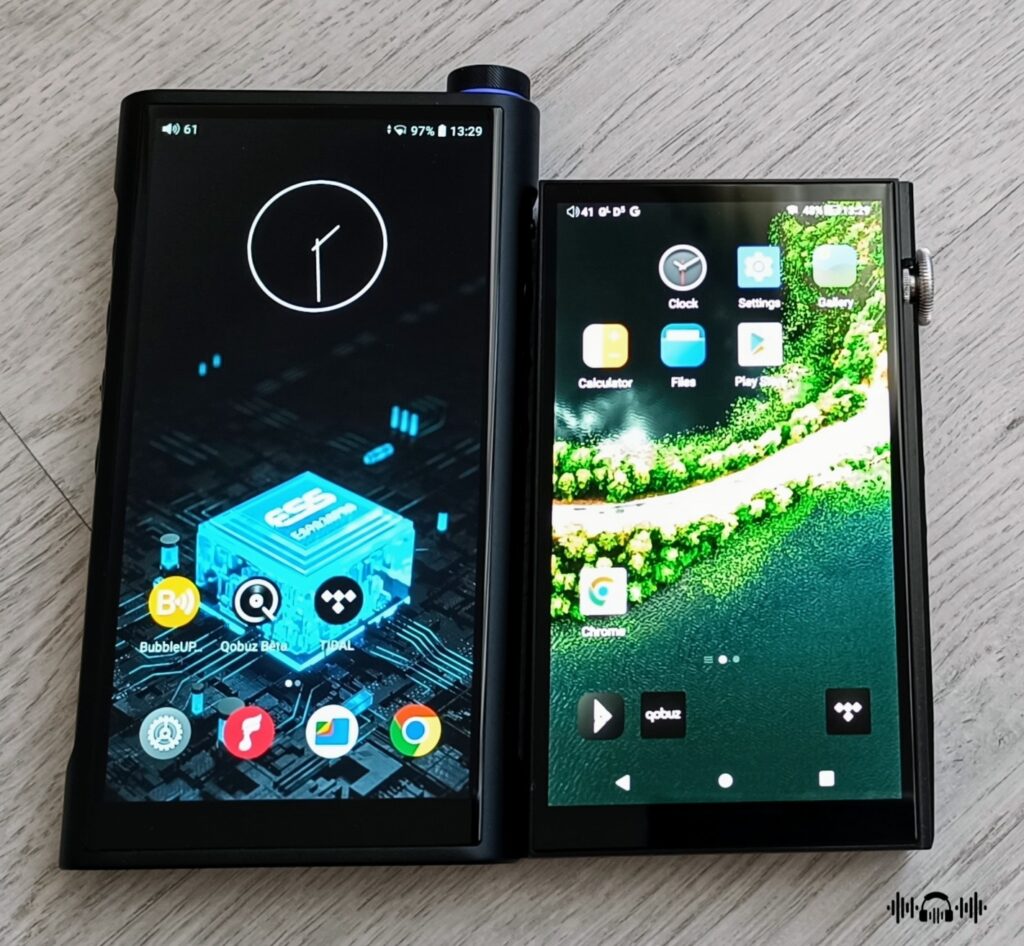
In terms of sound signature, the FiiO M15S delivers a fuller, more impactful bass, albeit lacking the same level of definition and layering found in the DX260. The M15S offers a warmer, more colorful sound compared to the DX260, but falls short in terms of transparency and neutrality. While the M15S provides thicker textures and a slightly larger soundstage, it cannot match the separation and imaging capabilities of the DX260. The M15S stands out as the least digital-sounding FiiO DAP, offering a remarkably natural timbre. On the other hand, the DX260 excels in delivering a more refined and resolving treble, also free from any digital glare.
Vs the iBasso DX240
The iBasso DX260 features the same SoC and memory setup as its previous model, with an upgrade from Android 9 to 11 resulting in a faster and more responsive user experience. The screen of the DX260 has been enhanced to be brighter, more vibrant, and colorful. One significant change is the absence of the interchangeable amp-card system, replaced instead with a user-replaceable battery.
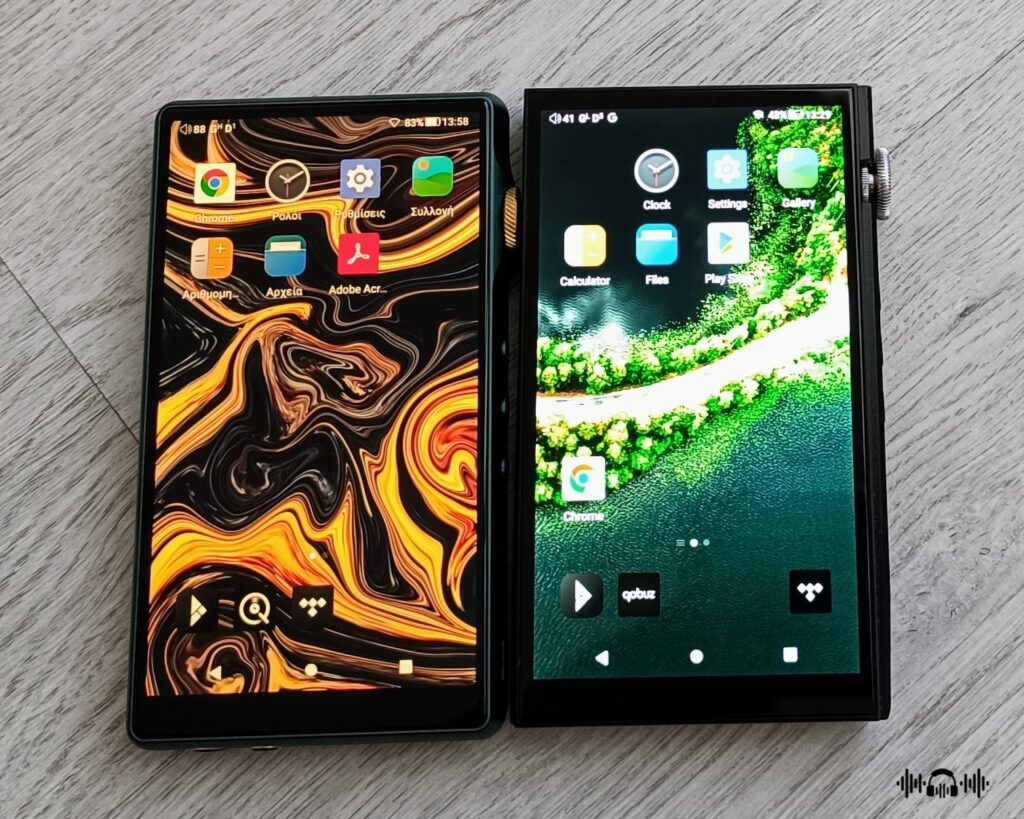
The DX240 with the stock AMP1 MK3 offers a similar sound performance to the DX260 in terms of neutrality, fidelity, and transparency. However, the DX260 surpasses the DX240 in every aspect. It provides better clarity, definition, transparency, precision, refinement, and resolution. The DX240 falls a bit short in comparison when it comes to separation, imaging, immersion, and holography. One significant distinction is that the DX240 has a little more clinical and sterile timbre, along with some digital glare and artificiality, unlike the DX260. Additionally, the treble of the DX240 is a touch sharper and brighter, lacking the natural and realistic sound found in the DX260.
However, switching to the AMP8 MK2 from the stock amp card will result in a warmer and more organic sound on the DX240. The timbre will sound more natural and analog-like, while reducing digital glare. Still, the DX260 remains the more neutral and transparent player with superior technicalities and enhanced resolution. Some users though may still prefer the DX240/AMP8 MK2 for its warmer and more relaxed sound signature, or for the option to swap amp cards for added versatility.
In the end
The iBasso DX260 stands out as an exceptional player, thanks for its unparalleled transparency and neutrality that surpass even flagship models from iBasso and other brands. It delivers top-notch fidelity and precision while maintaining a musical and engaging sound that avoids artificiality and sterility. Remarkably, iBasso has achieved a flagship-level DAP at a price point below $1K, making the price to performance ratio truly remarkable. With innovative features hidden within its compact body, the DX260 is also the first player in its class to offer a user-friendly, replaceable battery.
The DX260 is now my go-to DAP for assessing headphones, as well as being a top pick for music listening pleasure. It is the ideal option for those looking for utmost clarity and accuracy without compromising on musicality and involvement. iBasso has truly excelled with the DX260, setting a high standard for themselves to exceed in their upcoming releases – a task easier said than done. Nevertheless, I remain optimistic that iBasso will continue to impress us with even more remarkable products in the coming days.
Copyright – Petros Laskis 2024.
+ Exceptional sound performance
+ Unique transparency and fidelity
+ Not clinical or sterile timbre
+ Outstanding clarity and layering
+ Class leading imaging and separation
+ Immersive and holographic
+ Powerful and noise free
+ Fast and responsive UI
+ Android and Mango OS
+ User replaceable battery
+ Excellent build quality
+ Compact and pocket friendly
+ Accessories

- Unforgiving and revealing
- No double tap to wake the screen
- Leather case is sold separately
- No more support for amp-cards





Excellent review Petros 👍
Thank you very much!
Μία απορία, πού μάλλον αφορά όλα τά DAP
Μπορώ νά να ακούω μουσική από το TIDAL στο δρόμο χωρίς άλλη συσκευή ?
Δηλαδή υποστηρίζει ροή χωρίς άλλη συσκευή?
Ευχαριστώ πολύ, συγχαρητήρια για κριτικές, εξαιρετικές…
Thank you! You can’t stream without internet connection.
You can use Tidal offline service with downloaded music in the memory of the player.
Dear reviewer,
In the FiiO M15S Review you wrote: “Natural timbre without artificiality”.
Now you are writing: “unlike the M15S which may exhibit traces of artificiality”, so i am confused!
Hi, it is when comparing and after attentive listening there is a change that the treble on the M15S can have just a tiny bit of glare. Just traces that may come out when comparing both. Just nitpick.
I have rephrased it so it isn’t confusing.
Hi,
Thank you for your review,
I’m new to DAPS and somehow I’m thinking about purchasing one, even if I’m not interested in portability and my sources are tidal and cds for the headphones system. Currently I have the node x paired with the fiio k9 pro ess and a cd player. For the headphones I have the Meze Empyrean and the fiio fh9 iems. Also the Meze 99 Classics and I’m still looking into the Focal Radience as a better close back headphones.
Is it worthy to get a dap for my listening? If so, which one is better for more fidelity and soundstage? The dx260 or the m15s? I don’t think I will rip the cds to flac. :) And for mobility it will be rare.
Thank you,
Hello,
Considering what you have wrote, I don’t think that you need a dap unless you are too lazy to do desktop listening and you want to use tidal while sitting on your armchair. So you better invest your money on a better desktop source or new headphones.
I’m enjoying your reviews and … I’m enjoying headphone listening since last week :) This world is new for me.
I think I’m ready to invest a little more money than I planned ;)
On the paper, I really like the DX260 specs, I think it will be a good source/amp for my Meze 109 Pro, but… do I need a DAP? I’m only moving inside my appartement :)
So my question, would a PB5 Osprey with a standard smartphone be an upgrade to a DX260, and would the Meze 109 be able take advantage of it ? If I’m ready to go up to the PB5 budget, I’m not ready (yet) for a new headphone!
Off-topic: by the way, I have an Athena Lambda razor and HAGS soap/as :) That’s why maybe I like your reviews :)
Thank you!
The D16 should be better because it plays in another league. I haven’t tested it but most people on forums praise it a lot. If you can afford it, it would be end game and surely enough for future headphone upgrades.
Oups… bad copy paste, I mean iBasso D16 for sur not the PB5 Osprey :(
Sorry for this
So… will receive soon my DX260, I think it’s a good start and actually an easy and appealing standalone solution.
Maybe also I could later add things like a xduoo mt-604 to play, would it make sense?
Really enjoying the DX260.
I can hear an airier presentation with Mango OS and dsd iso and other hires files. Too bad there are nos streaming possibilities with this OS.
Also I would have loved the double tap feature to avoid using the physical button all the time. I have installed “pick to wake” app this is very convenient the only drawback is some battery drain obsviously.
But overall this is a great DAP, pairing with a Meze 109 is really smooth but detailed and really enjoyable.
This gives me the need now for full portability. Why not a good IEM?
What is the budget to have/feel improvement vs the 109 Pro with a good IEM?
Hi Arnaud,
Nice to hear that you are enjoying the DX260. It is a good player. A wise choice. Regarding a good IEM, the 109 is a great headphone so in order to get similar kind of performance you need to get something good. I think that you should consider IEMs near the 1K region. Check the FiiO FA19 and FX15.
Hello, Very much enjoyed your review. My Fiio M11 Pro ESS has just given up the ghost, so I’m looking for a new player. Very much would like to get the DX 260. But can I ask you, I have the DUNU SA6 MKII IEMs. In your opinion would they be a good match with the DX 260; they worked well with my M11. Thank you.
Hi, thank you very much.
I don’t see why they are not going to be a good match with the DX260. It is a neutral and very transparent player so you are going to listen to the SA6 exactly as they meant to be. From what I remember, the M11 is slightly brighter than the DX260 and maybe with a little more artificial timbre. I think that the DX260 is an upgrade both in timbre quality and technicalities.
Thank you for the review!
Are you planning to review the dx 260 mark2 ? I would like to know your opinion on how the sound has changed in the mark 2 ? And is the quality of the dx260 mark 2 worth the extra cost (compared to the dx180) ?
Thank you in advance for your responses!
Hi, I am afraid that am not going to review the DX260 MKII. Theoretically and per iBasso statement it is supposed to have the exact same sound signature as the DX260.
Thank you for the answer! Good luck!
Thank you very much for reading.