


The FiiO QX13 was kindly provided free of charge in exchange for an honest review. I didn’t receive monetary or any other kind of compensation and I don’t use affiliate links.
The price of the FiiO QX13 is $219 and you can buy it from here.
FiiO
FiiO doesn’t really need any lengthy introductions. In the rare case that you are not familiar with the brand or just want to discover more products, click to explore past FiiO reviews.
FiiO QX13
The QX13 is FiiO’s latest USB DAC dongle and marks the launch of the QX series that is said to combine the best aspects of the Q series with magnetic attaching systems.
However, the original Q series includes much bigger DAC/amps with built-in batteries, such as the FiiO Q11, a feature that the QX13 doesn’t have so can’t quite see the connection here.
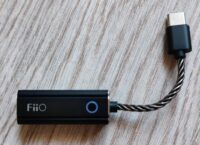
Strictly speaking, the FiiO QX13 is a portable USB DAC/amp, like the FiiO KA17, that comes in a bundle that includes a magnetically attaching leather case. Other brands also make similar devices, like the ddHiFi TC44 grip.
Technical overview
The most important innovation of the QX13 (that makes it stand apart from the competition) is that it is equipped with a desktop-grade DAC chip and headphone amplification circuit. Viewed under this light, it can truly be said that it resembles the products of the Q Series.
The FiiO QX13 uses the ES9027SPRO chip by ESS that features a fully differential audio architecture with 8-channels set-up in parallel. It is paired with a pair of ultra-low noise ES9312 regulators for true high-end performance. The ES9027SPRO is a flagship DAC that is normally found inside very expensive audio gear, like the Arcam SA45 streaming amplifier that I have recently reviewed for Hxosplus magazine.
The analog stage uses four INA1620 op-amps that have integrated thin-film resistors and EMI filtering circuit. Additionally, two low-noise OPA1692 op-amps are employed to ensure excellent dynamics under all load conditions.
The QX13 also uses the XMOS XU316 USB receiver that allows low latency performance and supports sampling rates up to 768kHz/32bit PCM and DSD512. The receiver is combined with two ultra-low phase, femtosecond crystal oscillators for the best possible sound quality.

Patented Desktop Mode
The QX13 features FiiO’s patented Desktop Mode that raises its power output from 605mW*2/32Ω to 900mW*2/32Ω with the downside that increases power consumption.
This is why FiiO also equipped the QX13 with an additional USB type-C port where you can connect an external power supply and stop it draining power from the host device.
The only thing you have to do in order to enable the Desktop Mode is to flip the side button to the ON position and connect an external power supply, like a phone charger, to unlock the maximum power output.
The QX13 is also compatible with FiiO’s portable battery, the ESTICK, which attaches to its right side and provides external power. A handy feature of the QX13 is that you can use it to charge the ESTICK.
Design and layout
The FiiO QX13 is available in two versions, one with a carbon fiber body that weighs 33.7g and another made of aluminum alloy that weighs 39.2g.
Carbon fiber is lightweight and resistant to interference but is more easy to scratch from friction than aluminum alloy. This is why FiiO suggests always using the carbon fiber version with the included leather case.
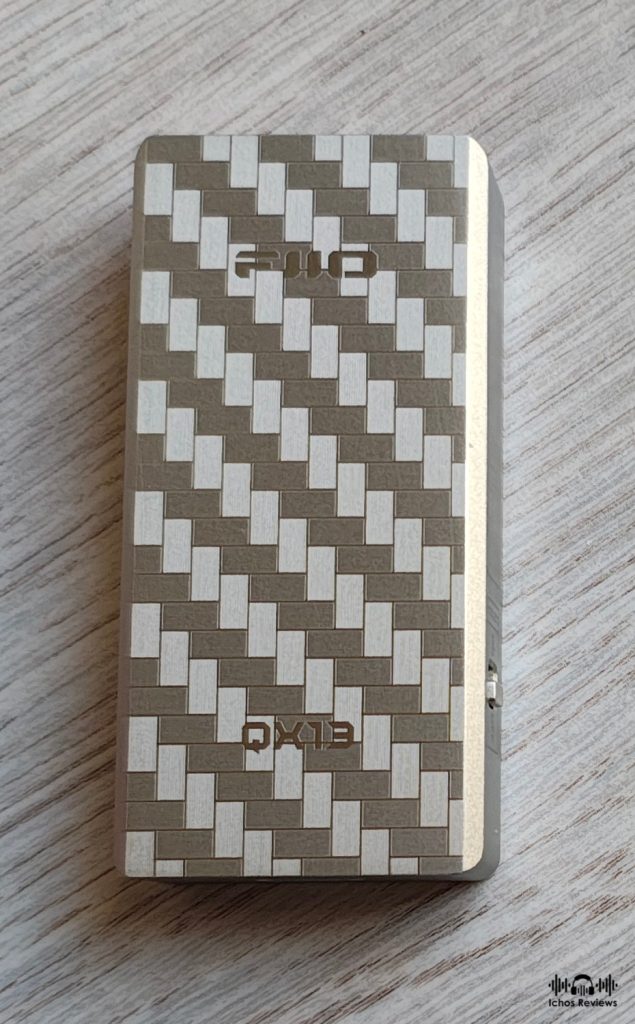
The aluminum alloy version has laser-engraved patterns on its back panel that mimic carbon fiber texture to add a unique appearance to the unit.
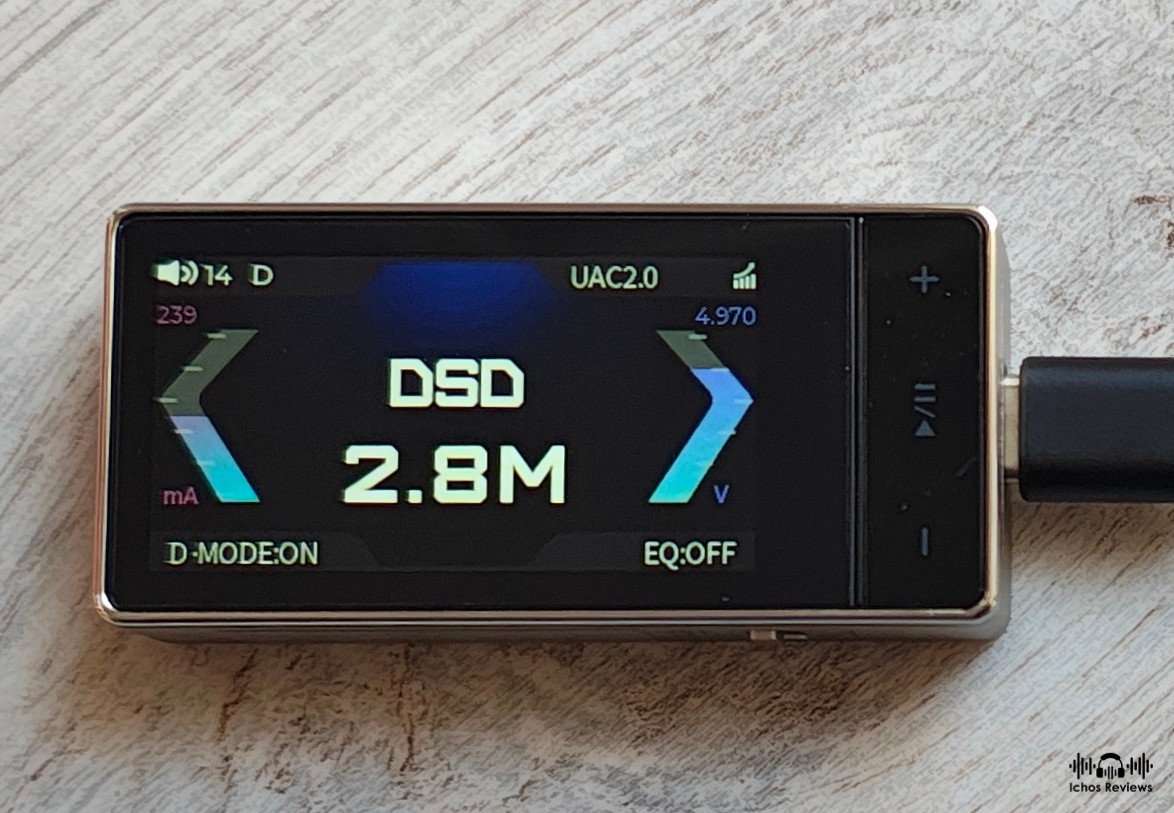
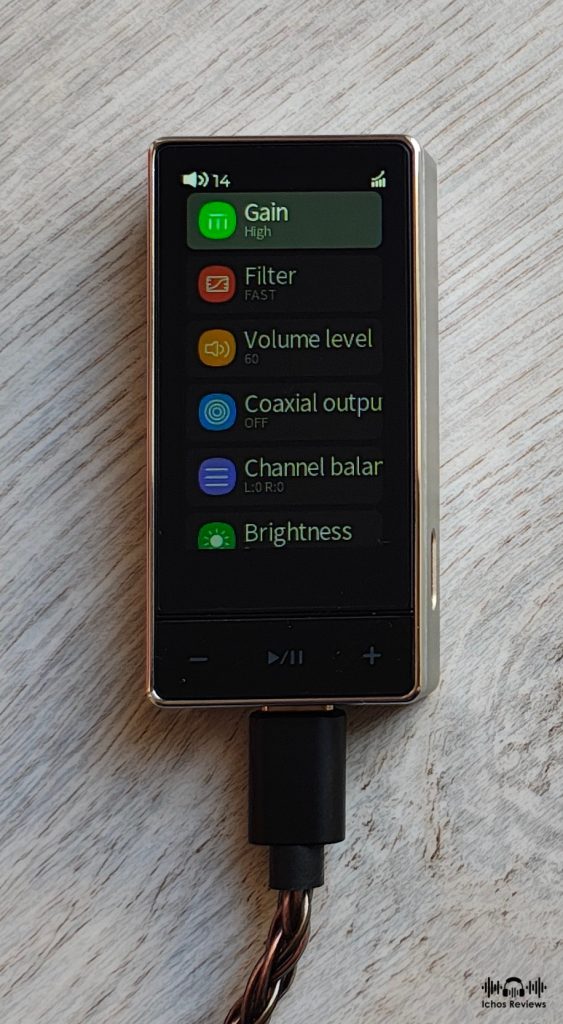
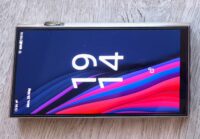
The design is simple and minimalistic, the QX13 has a plain rectangularly shaped chassis with a large 1.99” display at the front face. The edges and the corners of the unit are rounded and gently smoothed out to offer good handling experience and secure grip.
Beneath the display is a conveniently placed single wide button with three distinct press points. The build quality is solid, and all three actions register accurately. On the left side, you’ll find the desktop-mode switch, while the right side houses the dedicated power-supply USB-C port. The data USB-C port is located on the bottom of the device, and the two headphone outputs sit at the top.
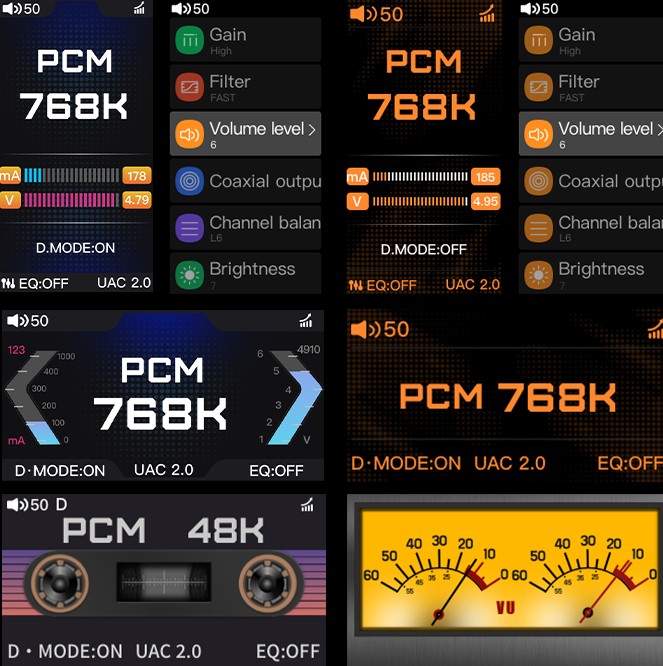
The colorful and vibrant display is outfitted with third-gen Corning gorilla glass for extra durability and scratch resistance. It can be oriented vertically or horizontally and the user can select between six different UI themes – retro tape cassette player and VU meters included. Most themes also display real time power consumption and input voltage readings.
Accessories
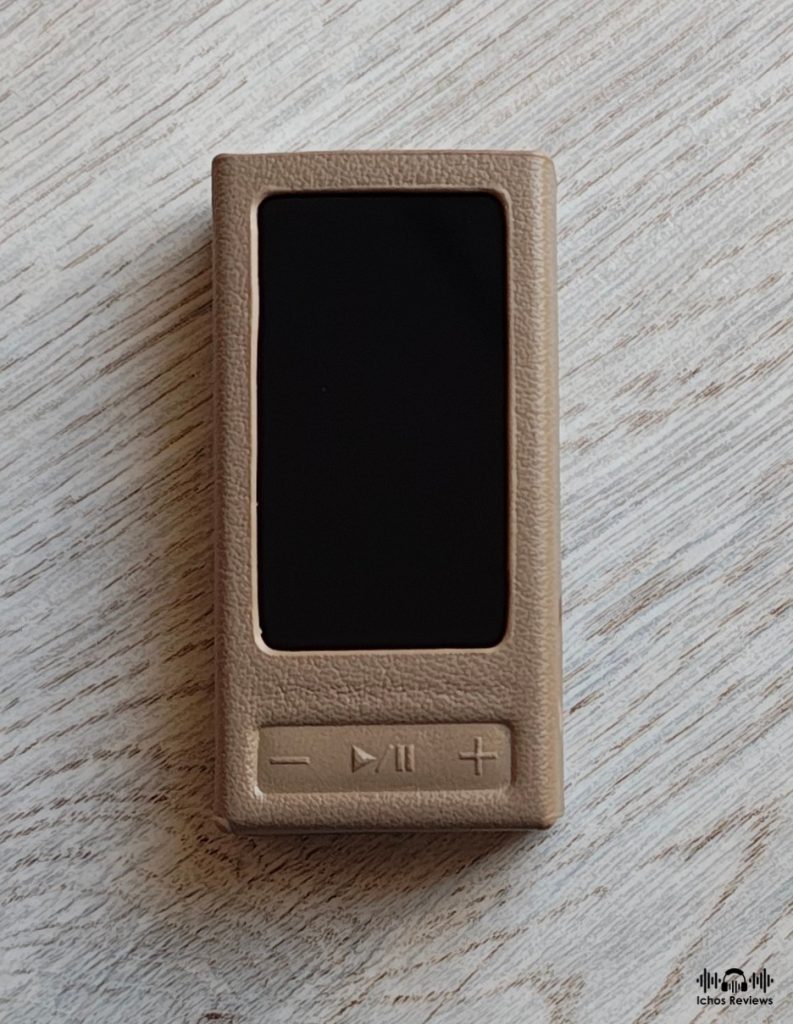
The package includes a high quality USB type C-C cable, a magnetically attaching leather case, an adhesive ring-shaped magnetic conductor that can be used in non-MagSafe phones and a screen protector.
Operating the QX13
The QX13 is plug ‘n play with most operating systems without the need to install drivers while it supports both UAC1.0 and UAC2.0 USB modes. It can also be used as a USB to SPDIF bridge through its 3.5mm output.
The device is fully configurable through its internal menu without the need to connect with the FiiO control application except for adjusting the EQ. The user must long press the center button to enter the menu and use the volume up/down buttons to navigate and register actions. Pretty simple and straightforward procedure with a short learning curve.
Various audio and UI parameters can be configured, the QX13 has so many options that are impossible to list here without making the review too long. As an example you can select the headphone amplifier gain, select-low pass filter, adjust screen timeout, choose one of six UI themes, set maximum volume level, screen brightness etc. A dedicated gain switch would be a handy feature but it is not that necessary.
The FiiO Control application and PEQ
The QX13 is compatible with the FiiO Control application which, except for allowing the user to configure the device, also grants access to the fully customizable 10-band Parametric EQ, that is also available via FiiO’s web interface. The user can select one of the eight preset curves, make personalized adjustments or load and share curves on the web.
Power output and efficiency
The FiiO QX13 is a powerhouse with a maximum power output as high as 650mW*2/32Ω that increases to 900mW*2/32Ω in Desktop Mode. It is about 46% and 101% more powerful respectively than FiiO’s previous flagship the KA17.
With 900mW of output power, the QX13 delivers enough juice to rival even desktop amplifiers, easily handling a wide range of full-sized headphones such as the FiiO JT7 and FT13. At the same time, its noise floor remains impressively low, practically inaudible when paired with sensitive in-ear monitors like the FiiO FA19.
Powerful headphone amplification comes at a cost though because the QX13 consumes more power than the average USB DAC dongle both in Desktop and non Desktop Modes.
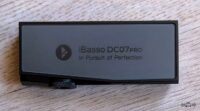
The power consumption of the QX13 was measured about 197mA in non-Desktop and 260mA in Desktop Mode from its balanced output. For the shake of comparison, the FiiO KA15 consumes 140mA to produce 560mW*2/32Ω and the iBasso DC07PRO needs 100mA for 400mW*2/32Ω.
(The QX13 was updated to the MCU V2.0 and XMOS V1.31 firmware)
Listening impressions
The FiiO QX13 sounds neutral – flat with class-leading transparency and fidelity never heard before from a USB DAC dongle. The QX13 is a flagship that impresses with its driving authority and extended dynamic range that can only be rivaled by high quality battery-powered or even desktop devices.
The sound is crystal clear and well defined throughout the whole frequency range. The QX13 is tonally balanced with just a touch of extra energy in the higher frequencies but it never sounds bright or sharp. It is insightful and resolving with very refined textures that are not too dry or lean.
The timbre is generally natural and realistic, though you shouldn’t expect much harmonic richness or particularly organic mids. The QX13 is highly technical, yet it avoids sounding clinical or sterile. And while it isn’t the most melodic source, it still has a convincing ability to connect the listener with the music.
The bass is astonishing both for its physical impact and technical behavior. Bold, fast and controlled at the same time, with excellent timing and class-leading layering. It is so powerful that in a blind test it would be nearly impossible to tell if it is coming from the QX13 or a desktop amp. You need to connect an external power supply to extract the most out of the QX13 but the performance is still amazing even without it.
More listening impressions
Its supreme clarity and complete lack of coloration means that the QX13 pairs well with a great variety of earphones/headphones as it respects their unique tonal characteristics. It also sounds good and engaging with all kinds of music, but be warned that it doesn’t like bad quality recordings and lower bit-rates. Not surprisingly though because flagship equipments need high quality material to let them shine.
The desktop-grade audio architecture of the QX13 pays off and makes the competition pale in front of it when it comes to how well it deploys its soundstage. Wide and spacious without artificial expansion, the soundstage of the QX13 is immersive and holographic with impressive separation and positioning accuracy. From solo singers to large scale symphonic works, the music always sounds lifelike and realistic with the right scale proportions and plenty of ambient information.
Vs the competition
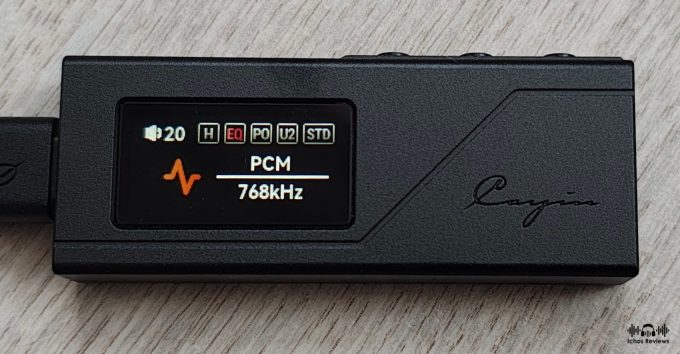
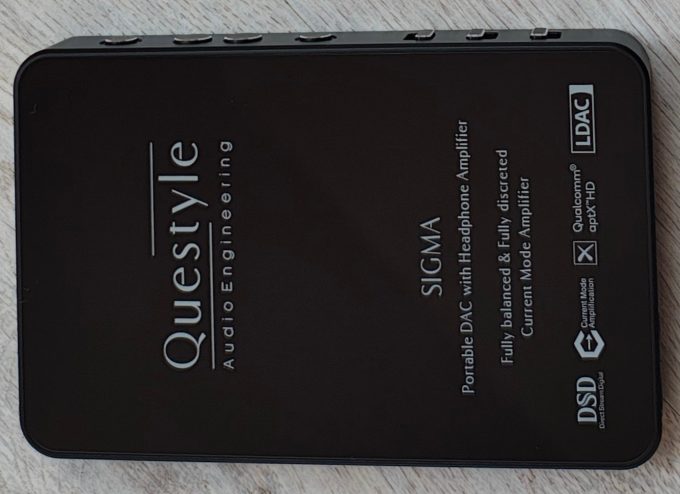
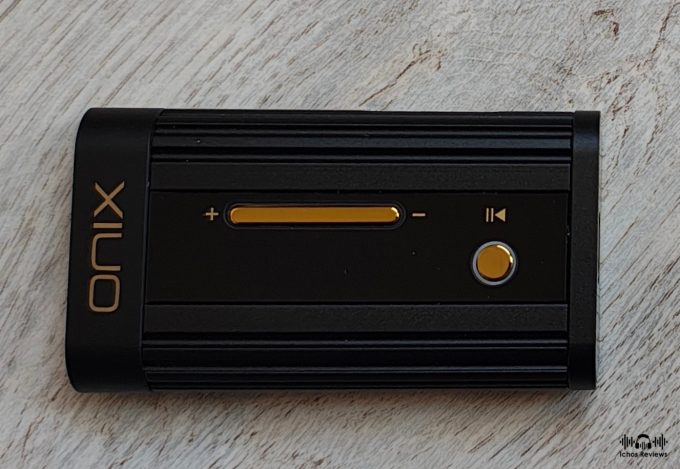
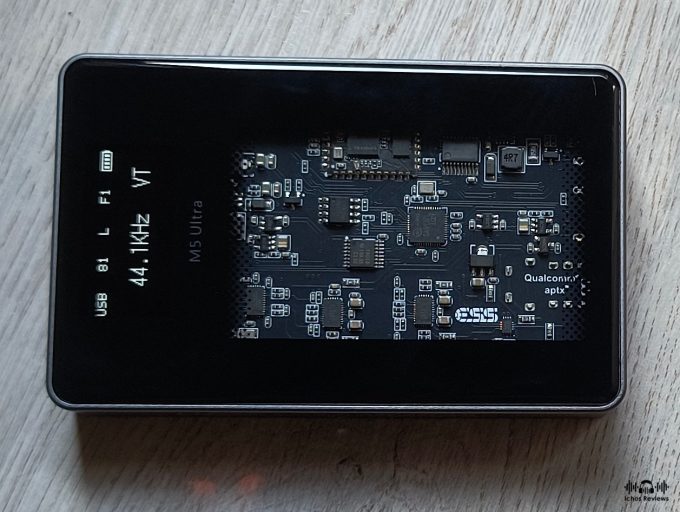
When it comes to the competition, what we should be comparing is not the sonic differences between the devices, there are too many options available, but mostly their features.
As an example the iBasso DC07PRO is more neutral and transparent sounding but also a bit clinical and drier in comparison to the QX13. On the other hand, the Aune Yuki is more organic and warmer but also less technical and precise.
The list of similarly priced USB DAC dongles is pretty much endless and each one has its own sound signature that will attract plenty of admirers.
However, the FiiO QX13 is the only one among the competition with so many features, like the fully customizable PEQ, the unique UI and the most powerful headphone amplifier.

In the end
FiiO has managed to reinvent the wheel many times but here we go again. The QX13 is the first desktop-grade USB DAC dongle in the market with features that its rivals simply don’t have.
Extremely powerful but still efficient enough for use on the go, it also has a true Desktop Mode and a customizable 10-band PEQ, backed by class-leading sonic performance.
The FiiO QX13 is really unique, it is the first USB DAC dongle that successfully bridges the gap between portable and desktop gear making it ideal for audiophiles seeking power and high fidelity sound without sacrificing portability, a single device that they can use at home, at work, or on the move without the need to buy something else.
Copyright – Petros Laskis 2025.
+ Class-leading sonic performance and fidelity
+ Astonishing clarity and transparency
+ Excellent technical performance
+ Doesn't sound too clinical or artificial
+ Holographic soundstage with impressive separation
+ Flagship ES9027SPRO chip that is used in very expensive devices
+ Fully adjustable 10-band PEQ
+ Desktop-grade power output
+ Compatible with the FiiO ESTICK
+ Support for external power supply
+ Very well made and minimalistic
+ Large display and plenty of customization options
+ Magnetically attaching leather case

- Not as power efficient as the competition
- Slightly bigger than other dongles
- Carbon fiber version needs careful handling






2 Comments