



The FiiO BTR17 was kindly provided free of charge in exchange for an honest review. I didn’t receive monetary or any other kind of compensation and I don’t use affiliate links. The price of the FiiO BTR17 is $199 and you can buy it from here.
About FiiO
FiiO needs little to no introduction for most audio enthusiasts. However, if the name is new to you, it’s well worth exploring their diverse range of products through my detailed reviews. Their catalogue spans nearly the entire audio spectrum, from portable USB DACs and in-ear monitors (IEMs) to full-sized headphones, desktop streamers, and even speakers.
Today, FiiO stands as a leading brand in the portable audio market, steadily expanding into the realm of full-sized desktop devices and passive speakers.
FiiO BTR17
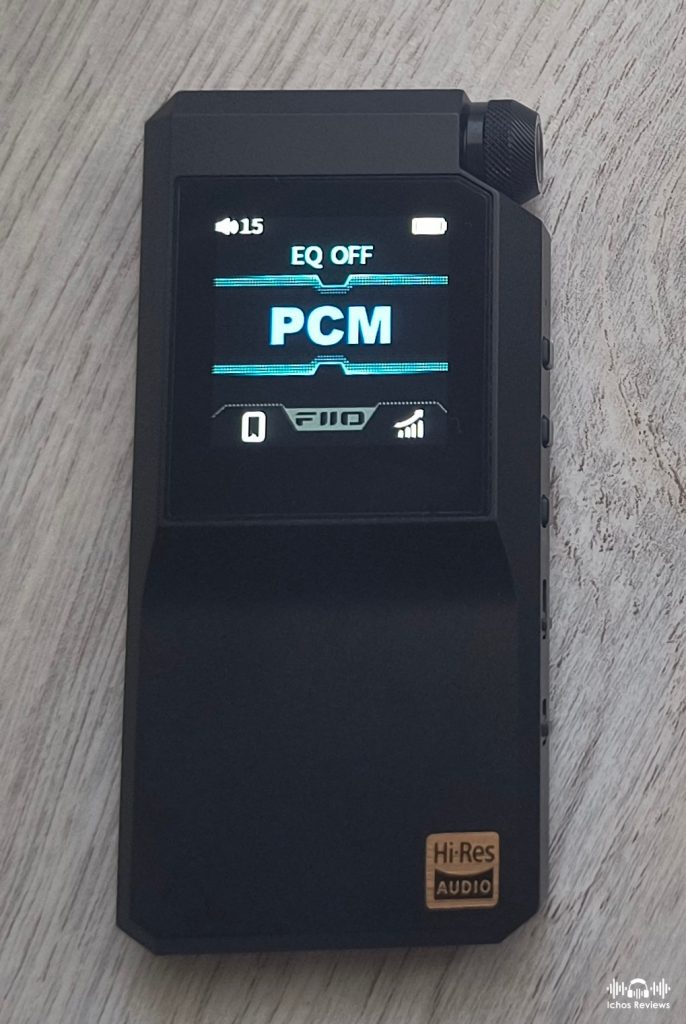
The BTR17 is FiiO’s flagship portable Bluetooth DAC/amp and the successor of the much acclaimed BTR7. It is a compact sized USB DAC/amp that has its own internal battery and supports both wired and wireless Bluetooth connectivity. Except for the BTR17, this series of products also includes the entry level BTR13 and the mid-range BTR15 models.
Technical highlights
The FiiO BTR17 is equipped with Qualcomm’s flagship QCC5181 Bluetooth chipset that complies with the Bluetooth LE standard and supports CD-level lossless sound quality through the aptX Lossless codec. The chipset is also compatible with the LDAC, aptX HD and aptX Adaptive audio codecs while it supports simultaneous connection with two devices.
The audio decoding is handled by dual ES9069Q DAC chips and the headphone amplification is done with two THX AAA 78+ amplifiers in a four-channel fully balanced architecture. The BTR17 has both 3.5mm and 4.4mm headphone outputs.
The device also employs a separate XMOS XU316 16-core USB processor which has low latency and supports sampling rates up to 768kHz/32bit PCM and native DSD512. An embedded microphone can be used for voice calls in Bluetooth mode.
You can read more about the BTR17 here.
FiiO’s patented Desktop mode
The most innovative feature of the BTR17 is FiiO’s patented desktop mode with an independent power supply. This is a feature seen in several other FiiO devices like the KA17 USB DAC and the FiiO M23 DAP.
The desktop mode raises the power output of the BTR17 to 650mW*2/32Ω and completely bypasses its built-in battery, also cutting the power intake from the connected source device to avoid overflow of the current in the circuit.
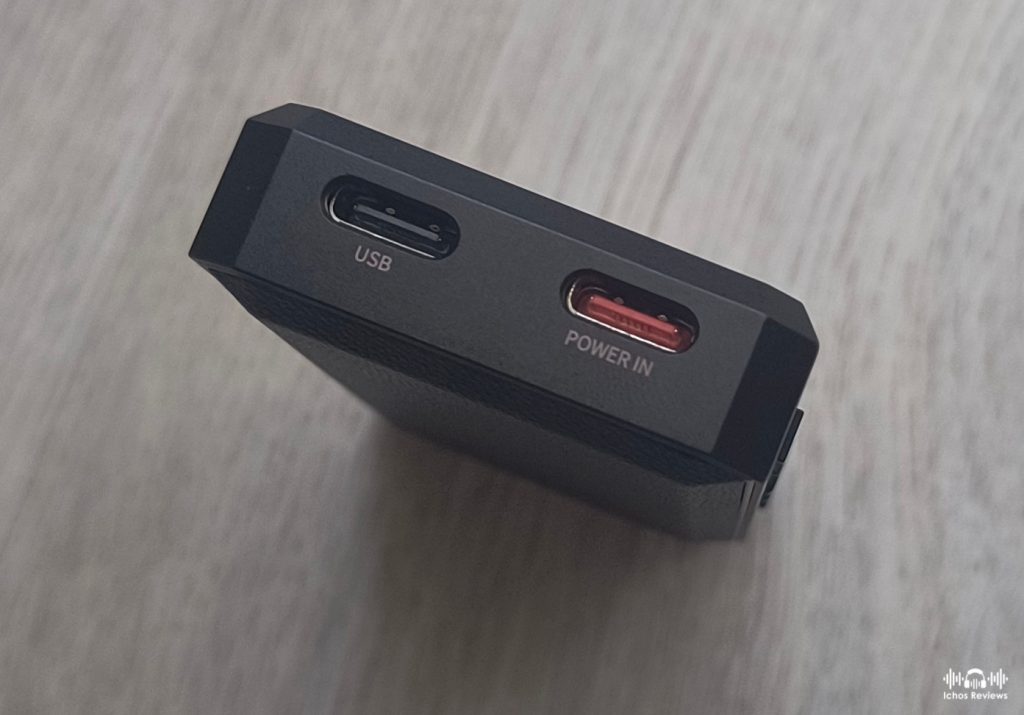
In order to activate the desktop mode you have to connect an external 5V power source to the dedicated USB type-C port and toggle the corresponding switch to the desktop mode.
Design and layout
The FiiO BTR17 is a relatively compact sized (16.3×41.2×86.6mm) and lightweight (73.4g) device that is slightly larger and heavier than the average USB DAC dongle but not that much if we consider that it has an internal battery.
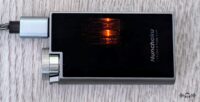
The housing is made from high quality CNC-milled aluminum alloy with a smooth black or blue finish. The rectangular chassis has an industrial design with angled edges and a two-section front panel. The raised upper part houses the 1.3” IPS color display that is bright and easy to read despite the small text size.
A new addition to the BTR17 is the high quality aluminium, multifunction volume knob and the back cover that is entirely covered with raw leather that is slip resistant and offers good grip of the device.
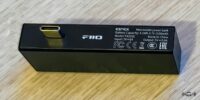
The layout is simple and minimalistic, all buttons and switches are located on the right side of the BTR17 so you can control it with your thumb alone. Except for the volume wheel, there are also three buttons and two switches. At the bottom part we can see two type-C USB inputs while the headphone outputs are located at the upper part.
User interface and operation
The FiiO BTR17 supports three operation modes: Bluetooth, PC and Phone, selectable from the dedicated switch. The Desktop mode is independent and can be enabled in all three operation modes.
In Bluetooth mode the BTR17 is powered by its internal battery but you can also connect it to an external power source to charge the battery and power the system. In PC mode the BTR17 will draw power from the PC to operate and charge its battery while in Phone mode it will run entirely from its internal battery.
Long pressing the volume control knob enters the configuration menu where you can do various audio and function adjustments. Some options are only available through the menu while some others are also accessible through the FiiO Control application.
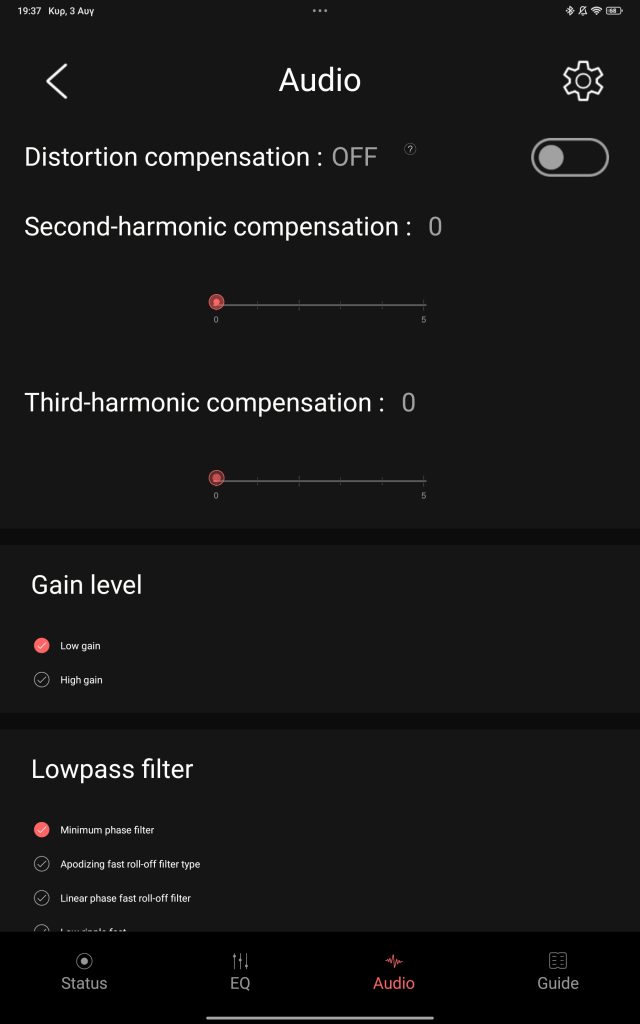
The user can adjust the gain, select low pass filters and access the EQ stored curves, select 60 or 120 volume steps, set the maximum volume, enable charge protection, set screen brightness and timeout, rotate the screen orientation, enable the car mode etc.
The three side buttons and the volume wheel are used to control music playback, offer quick access to the stored EQ curves and force Bluetooth pairing. Some of these actions are configurable through the FiiO control application.
Unfortunately you cannot assign gain switching to a button so every time you need to change gain you must enter the main menu. It would be great if FiiO can implement this function in the next firmware update.

Accessories
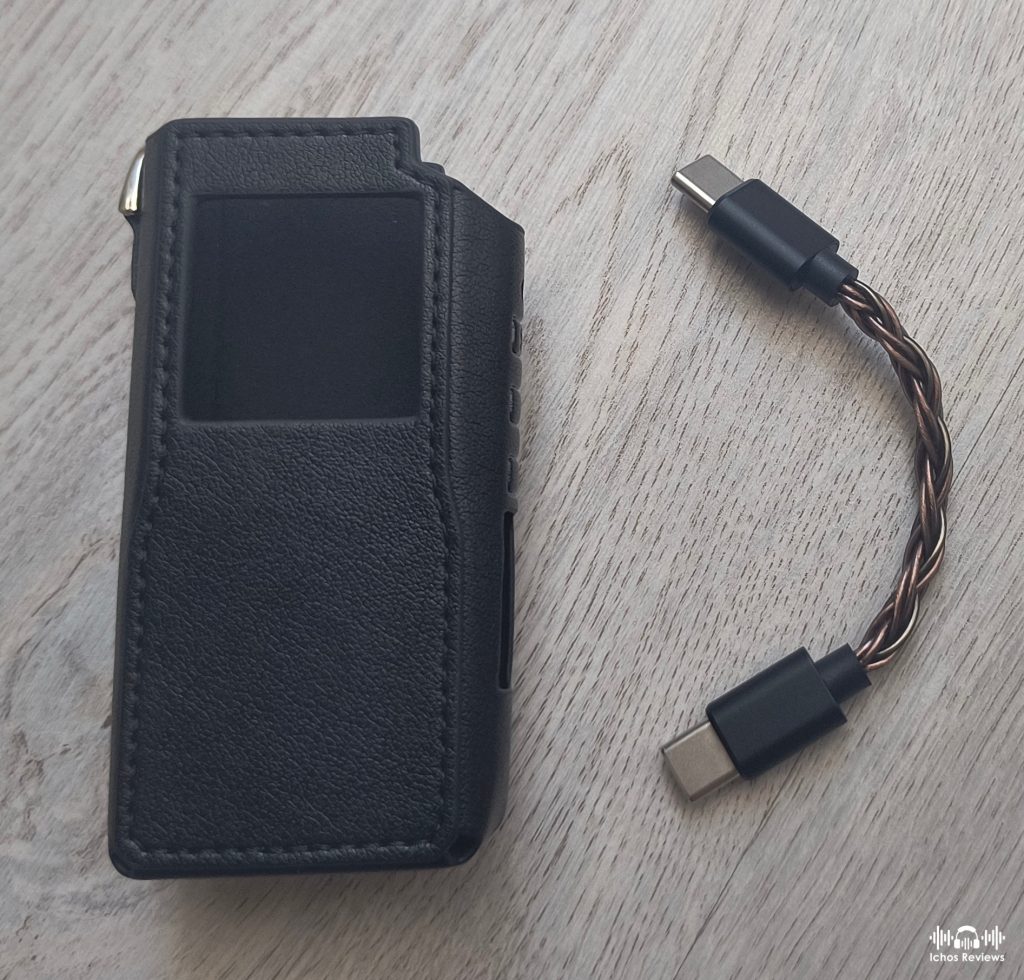
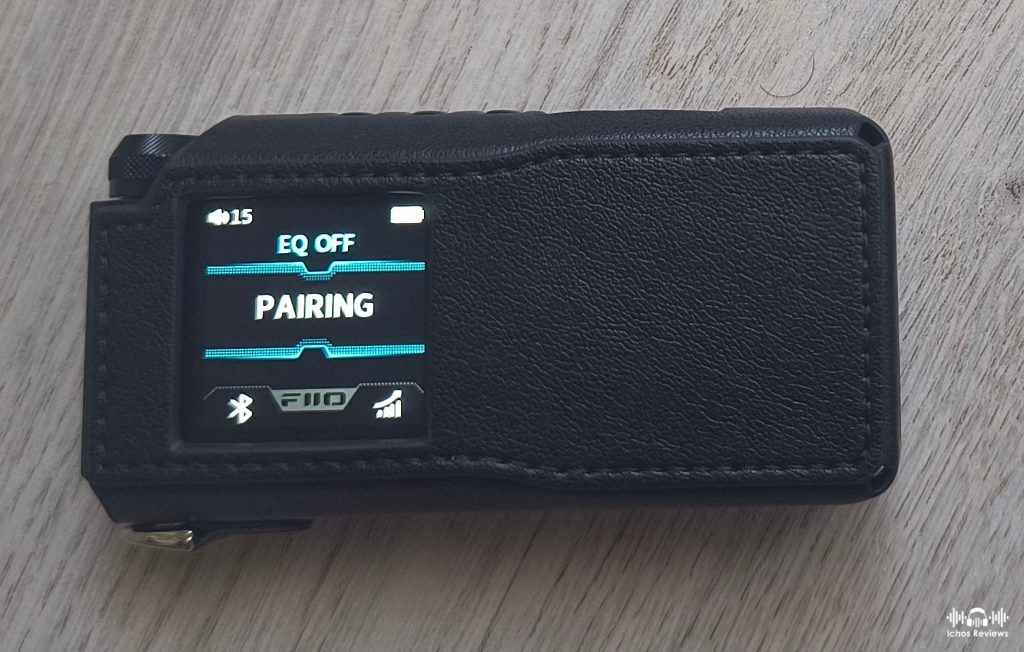
The package includes a leatherette protective case, a specially-made short dual type-C OTG data cable, a screen protective film that is pre-installed and the documentation. The case is well made, the fit is firm and the press points are precisely aligned with the buttons of the device.
The FiiO Control application and 10-band lossless PEQ
The BTR17 is compatible with the FiiO control application that allows you to control the device and adjust various parameters while it is needed to update the Bluetooth firmware. You can connect to the FiiO control application even when you are using the PC or Phone modes.
The FiiO control application is also the way to access the lossless 10-band PEQ and adjust frequency points, gain, bandwidth and Q value. Except for the ready made curves you can also store your own settings in 10 free slots, export and share them or import other users’ curves.
The EQ is also accessible through FiiO’s dedicated web page when the BTR17 is connected to a PC in USB DAC mode. You can use the side buttons to conveniently cycle through the stored curves while playing music.
Please note that I am not experienced with equalizing and haven’t thoroughly tested the EQ function.
Bluetooth performance
My phone doesn’t support aptX Lossless but with the LDAC codec enabled, the sonic performance in Bluetooth mode is exceptionally good and unbelievably close to the wired connection. FiiO’s Bluetooth implementation is so well done that it narrows the gap with the cable and offers great sound quality with the convenience of the wireless reception.
Still, hardcore audiophiles with premium earphones will have to use their old trusty cable in order to get the best possible sound quality. The treble in the wired connection is smoother and more refined, the timbre is more natural and resolving, the bass is more dynamic and the soundstage more spacious.
Regarding the actual wireless performance in Bluetooth mode, it is stable without dropouts or audible interference and usable in a range of about 3 to 5 meters.
Power output and battery duration
The FiiO BTR17 is quite powerful both in battery and desktop modes. 300mW*2/32Ω from its balanced output is not bad at all when running from its internal battery while the desktop mode raises this number to 650mW*2/32Ω making it capable of driving a wide variety of full sized headphones, like the FiiO FT5.
The battery mode is dead silent for use with sensitive earphones like the FiiO FA19 while in desktop mode the use of a specialized power adapter, like the SilentPower iPower 2, is beneficial to the overall sound quality.
The internal battery of the FiiO BTR17 doesn’t support fast or wireless charging but it needs less than 2 hours to get a full charge. The battery duration is good but not spectacular by modern standards, it lasts about 7 to 8 hours depending on the use scenario.
The BTR17 was updated to the latest Bluetooth V1.23 and XMOS V1.31 firmwares.
Listening impressions
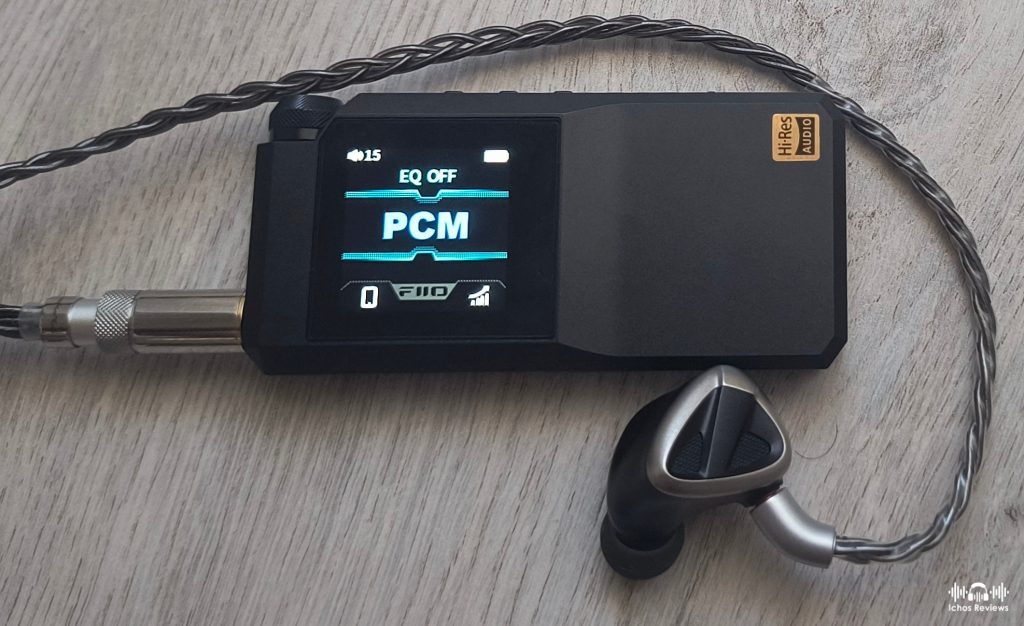
The FiiO BTR17 has a reference-neutral sonic character without sounding clinical or sterile. The treble quality of the BTR17 is much improved over the BTR7 as it sounds less bright and artificial. The BTR17 is very resolving without becoming analytical while it is more refined and smoother than its predecessor.
Still, the BTR17 is a brilliant source with plenty of energy on tap and a vivid sonic character that demands your attention in the higher frequencies. The mid-range has excellent clarity and transparency backed by convincing tonal precision. The timbre is quite realistic but not that organic, however it does a good job with harmonic saturation, albeit it doesn’t sound too colorful and rich.
The BTR17 is rather absent than present, it is an honest audio device that doesn’t add any character or coloration of its own, letting the earphones do the translation. In this regard, the BTR17 pairs well with all kinds of earphones, no matter if you favor bright or more laid back one’s, and can sound very engaging and musical with the right combination.
More listening impressions
The low end is deep, powerful and dynamic with impressive control. The bass is fast and tight with excellent definition and admirable clarity. The desktop mode can move large drivers and produce spectacularly thundering bass. As it usually happens with THX amplifiers, the bass is not that visceral or full bodied, its textures are a little lean and dry without too much elasticity. However, it compensates with class-leading layering and the ability to handle the most intricate bass lines without losing composure and pace.
The soundstage produced by the BTR17 is wide and spacious with excellent imaging for the category. The THX amplifiers are somewhat limiting the depth and the holographic properties of the soundstage, which feels rather flat but still big and open. Rest assured that the BTR17 will not limit the performance of your favorite earphones and none of them will sound congested or boxy.
Vs the FiiO BTR7
From a technical point of view, the BTR17 represents a significant upgrade over the BTR7 as it uses the latest Qualcomm Bluetooth chipset, higher quality DAC chips and THX amplifiers, a better USB receiver and is also equipped with the Desktop mode that doubles its power output.
Specs alone don’t mean much though but the truth is that in the case of the BTR17 they do translate in a slightly better sound performance with less sharpness in the treble, more natural timbre, grander soundstage, wider dynamics and more refined textures. The differences are not that big but they are audible enough to crown the BTR17 as the superior sounding device.
The only real advantages of the BTR7 over the BTR17 are its slightly more compact size and lower weight that might count a lot when you need the lowest possible bulk.
Vs the Questyle M18i
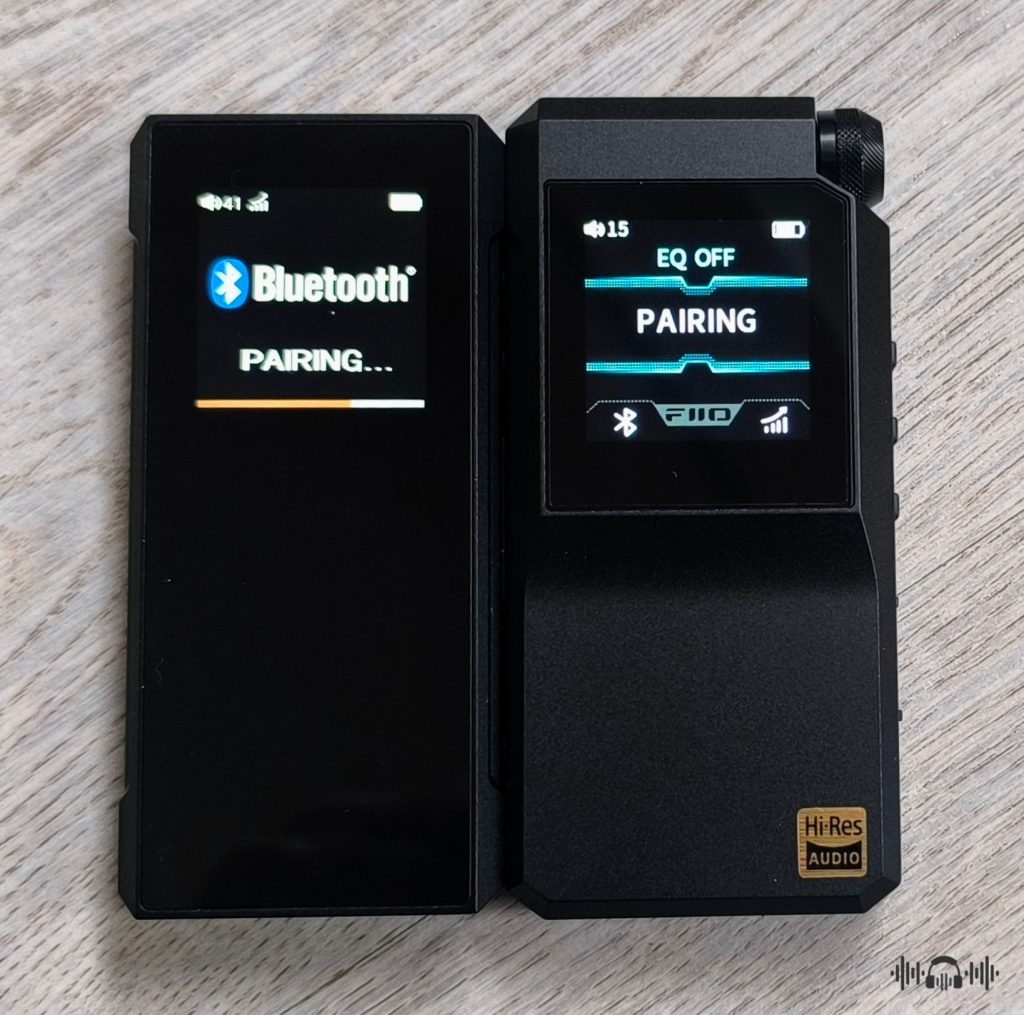
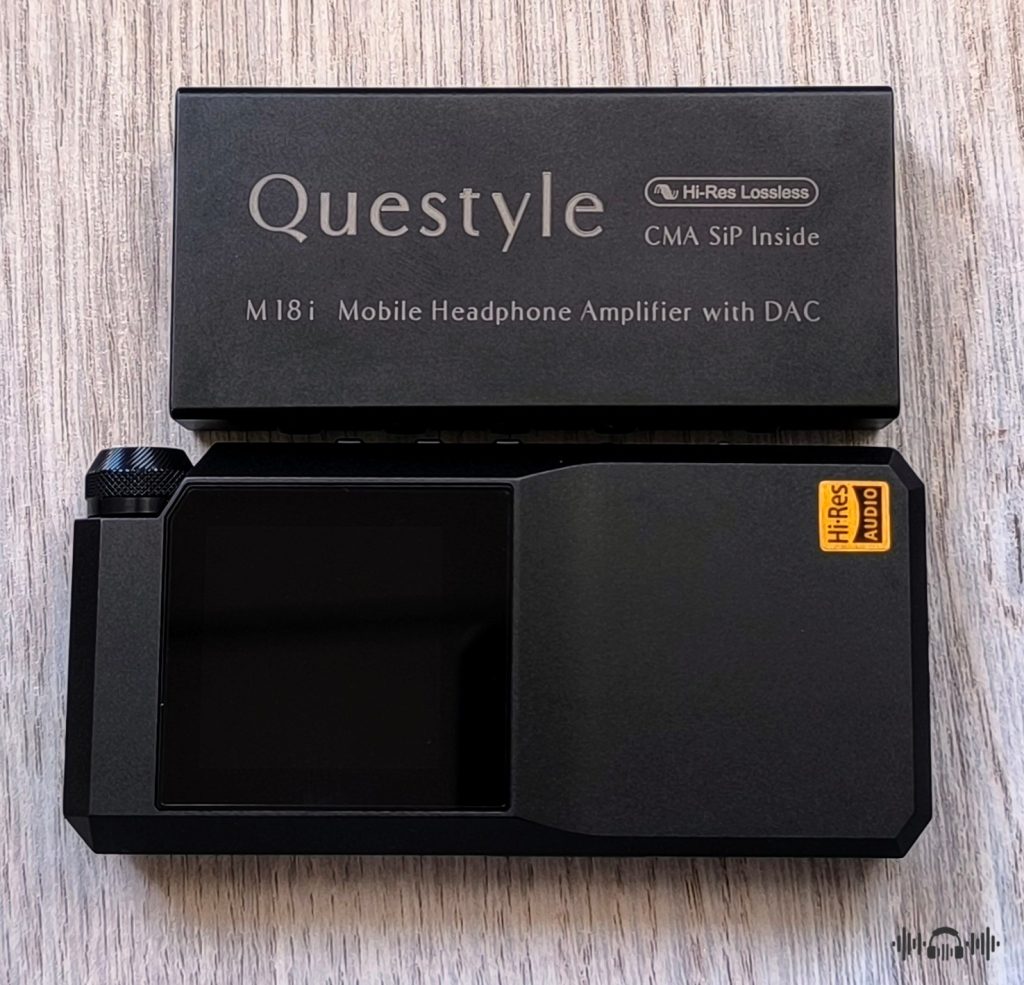
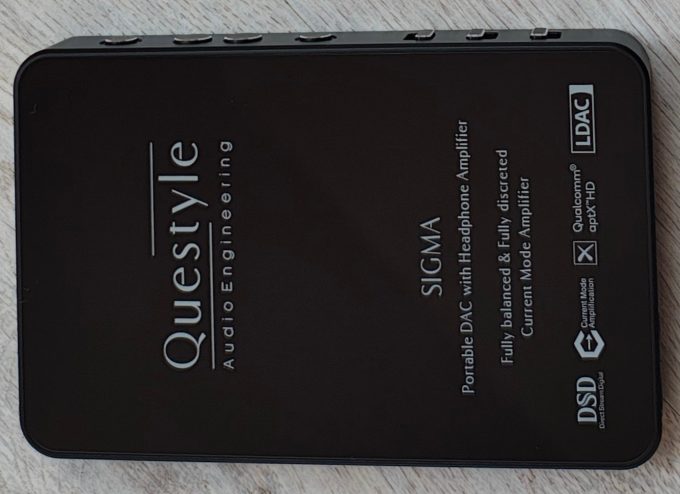
The Questyle M18i is a similarity designed portable USB DAC/amp with Bluetooth connectivity, an internal battery and a separate USB power input. However, unlike the BTR17, this function doesn’t raise the power output of the M18i and it is only for charging and bypassing the battery. Questyle specifies a power output of 28mW/300Ω from its balanced output so with 125mW/300Ω, the BTR17 is considerably more powerful.
The M18i is a little more compact and lightweight, making it more pocket friendly, but it houses a lower capacity battery that lasts for 2 hours maximum. The M18i doesn’t support the aptX lossless codec but it doesn’t count as an actual disadvantage because for now only a few phones support this codec and the LDAC is already very sufficient when it comes to the audio quality.
Additionally the M18i doesn’t connect with an application and doesn’t support EQ, while the FiiO BTR17 is $149 less expensive than the M18i but it offers a lot more functions and better craftsmanship.
The FiiO BTR17 has a neutral tuning, just like the M18i, but it leans towards emphasizing the treble a little bit more, giving it a slightly brighter character compared to the M18i. The BTR17 has the slight advantage when it comes to its overall technical performance and resolution but it comes across as sounding a bit less organic than the M18i. Both deliver equally strong and impactful bass but the M18i presents it in a slightly more elastic way.
Concluding thoughts
The overall sonic performance of the BTR17 is better than most USB DAC dongles with similar chip architectures and extremely close, if not equal, with entry level DAPs, like the FiiO JM21 or the Shanling M1 Plus. I would always choose a battery powered USB DAC/amp with a sophisticated power supply than a plain USB DAC dongle, despite their small differences in bulk and weight.
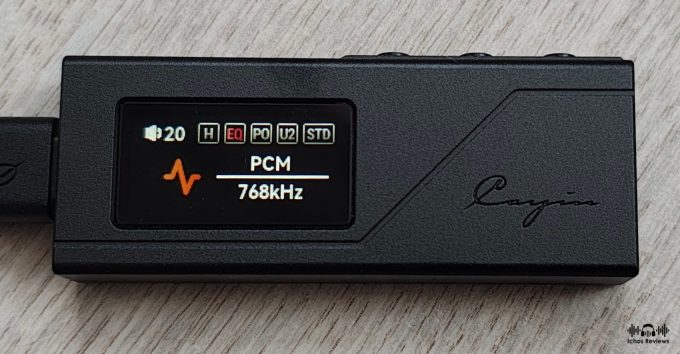
Exceptions may apply of course but you will have to reach much deeper in your pockets for something like the Cayin RU7 or the iFi GO bar Kensei, and still they don’t offer the same black background as the BTR17 while they are also lacking in functionality.
In the end
FiiO has always been the leader in the field of portable Bluetooth DAC/amps far surpassing the competition. And now, with the release of the FiiO BTR17, they set new benchmark standards in the category that look hard to surpass in the near future.
The FiiO BTR17 offers excellent sonic performance with huge power reserves for the size and includes every possible function that a portable Bluetooth DAC/amp should have. It is also easy to use, very well made and exceptionally well priced, thus making it an instant recommendation and a clear winner.
Copyright – Petros Laskis 2025.
+ Neutral yet not clinical sound signature
+ Excellent technical and sonic performance
+ Class-leading transparency and clarity
+ Impressive resolution and definition
+ Not too digital or artificial timbre
+ Dynamic and impactful bass
+ Wide soundstage with sharp imaging
+ Supports all the latest Bluetooth codecs
+ Powerful desktop mode with battery bypass
+ LCD display and many functions
+ User configurable lossless PEQ
+ Compatible with the FiiO Control application
+ Relatively compact sized and lightweight
+ Excellent build quality and modern appearance
+ High quality protective case and USB OTG cable
+ Affordable with excellent value for money

- No dedicated button for gain switching
- No pure line outputs
- Battery duration could be better
- Bass textures are a little lean and dry







Leave a comment