


The FiiO BTR13 was kindly provided free of charge in exchange for an honest review. I didn’t receive monetary or any other kind of compensation and I don’t use affiliate links. The price of the FiiO BTR13 is $69 and you can buy it from here.
FiiO BTR13
The FiiO BTR13 is a compact, portable USB DAC/amp that offers Bluetooth connectivity and features an internal battery. It serves as the successor to the BTR3K, which was FiiO’s most compact entry-level device in this category.
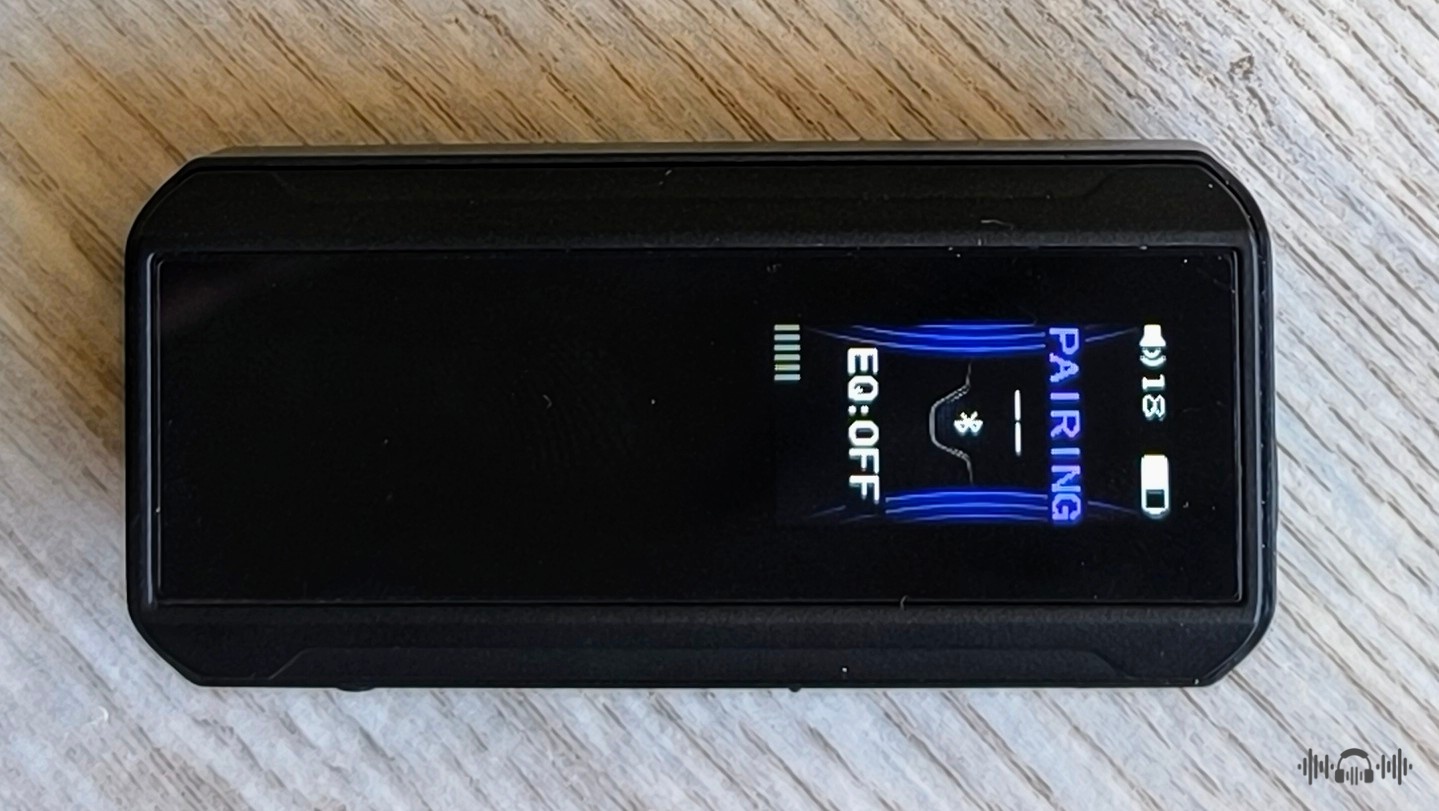
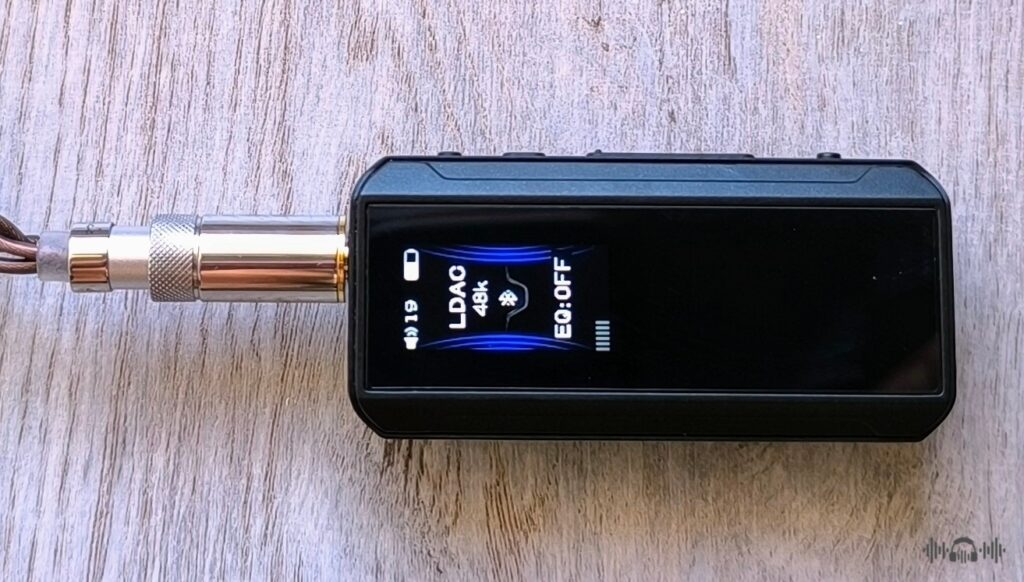
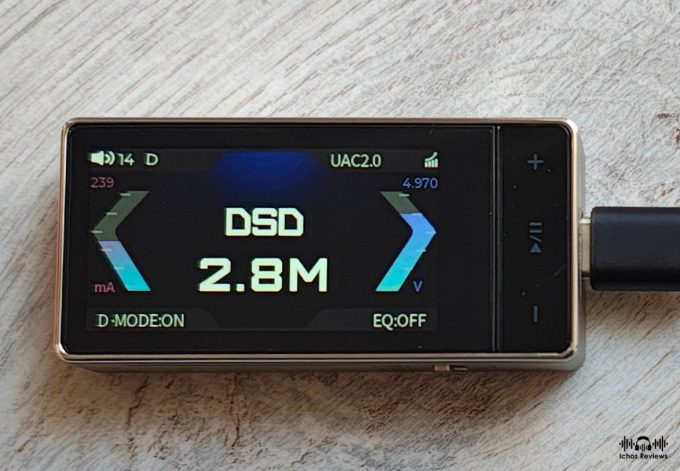
This model is equipped with two CS43131 DAC chips arranged in a fully balanced configuration. Additionally, FiiO has incorporated a 0.96-inch color display, allowing for straightforward configuration without needing to access the FiiO control application. The display provides essential information such as sampling rate, volume level, Bluetooth codec, and EQ profile.
The Bluetooth functionality is powered by the Qualcomm QCC5125 chip, which supports various codecs including LDAC, AAC, SBC, aptX, aptX LL, aptX Adaptive, and aptX HD. The BTR13 can connect to two devices simultaneously, and it offers strong, stable Bluetooth reception without noticeable noise. The audio quality is primarily affected by the limitations of the LDAC codec rather than the device itself.
The BTR13 features an independent power supply system tailored for the built-in headphone amplifier of the CS43131, enabling a power output of up to 220mW/32Ω from the balanced output.
While the device supports USB DAC mode, its decoding capabilities are limited to 96kHz/16bit PCM due to the absence of a dedicated USB receiver. A unique car mode allows the device to automatically power on and off in sync with your vehicle.
You can read more about the FiiO BTR13 here.
Design and build quality
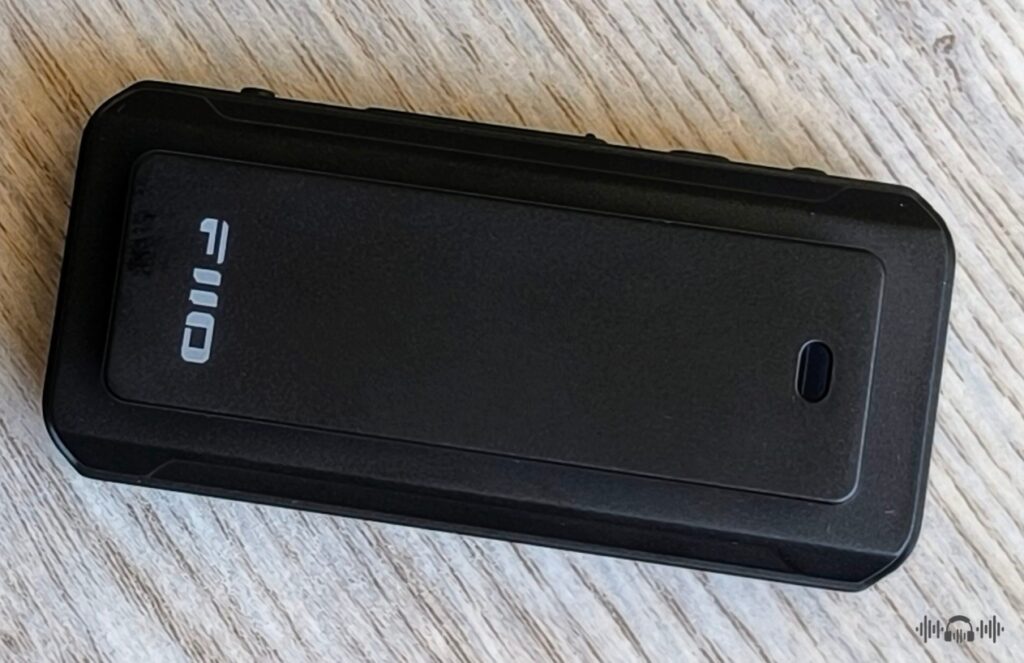
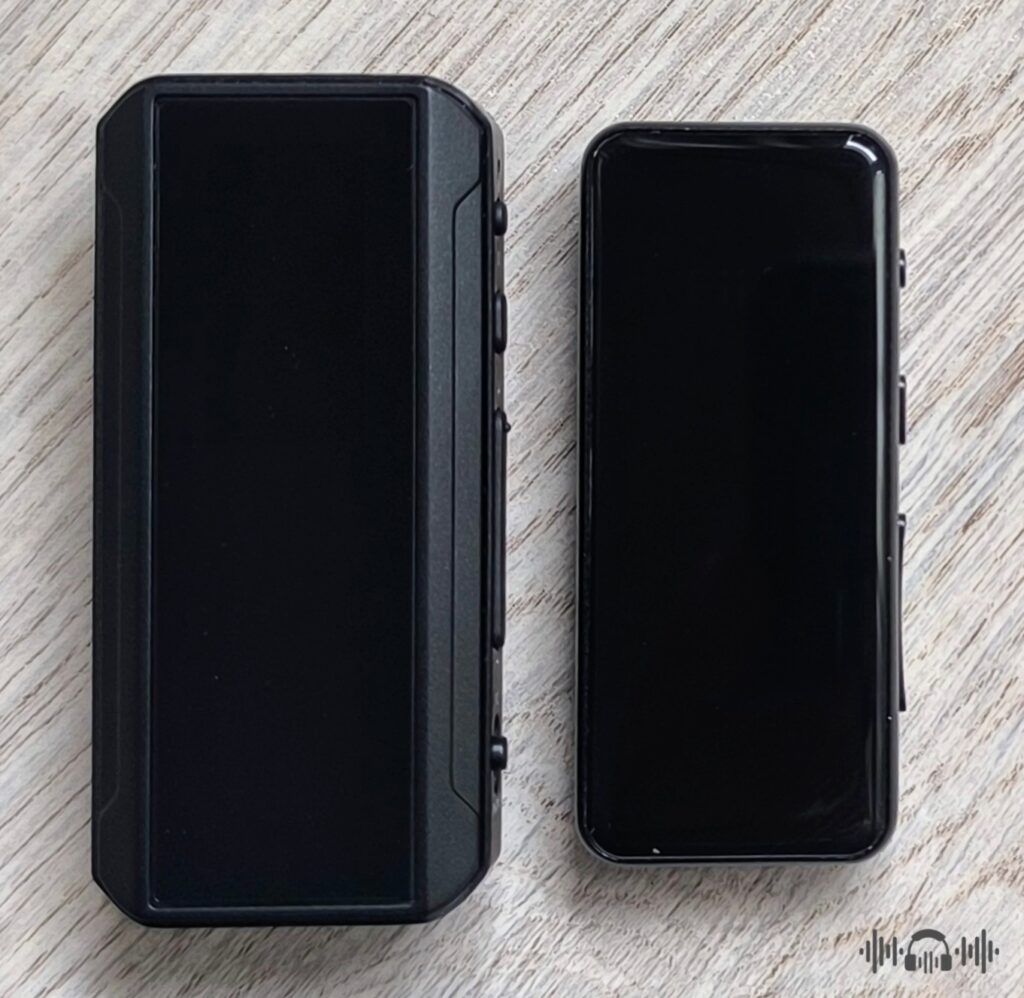
The BTR13 measures 63.2x30x18.8mm and weighs 28.6g, making it slightly larger and heavier than the BTR3K due to the inclusion of an LCD screen and a balanced 4.4mm jack, which require additional space. While these added features are quite useful, many users may miss the compact design of the BTR3K.
FiiO’s choice of materials for the BTR13 is somewhat surprising. Unlike the BTR3K, which featured an aluminum alloy body complemented by 2.5D glass, the BTR13 is constructed from high-quality, durable plastic. Although this material may offer scratch resistance and sturdiness, it lacks the robust and elegant appearance of aluminum. Additionally, the clip on the back of the device is now permanently attached, which may be inconvenient for users who prefer not to use it.
Operation and connectivity
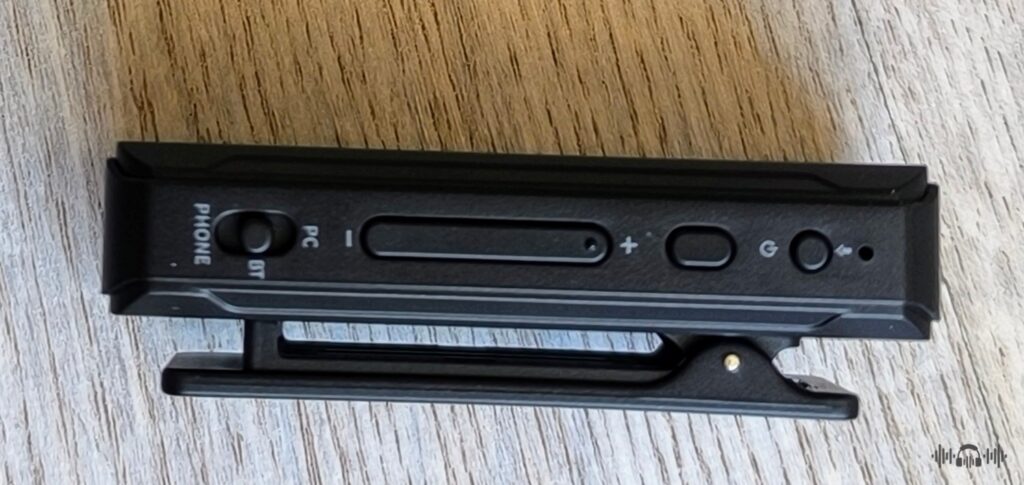
The FiiO BTR13 features a USB Type-C input port, which serves both for charging and as a USB DAC connection. It includes two headphone outputs: a 3.5mm single-ended and a 4.4mm balanced. On the right side of the device, there are four physical buttons. The power button also functions to activate and exit the menu or return to the previous setup. A multifunction button allows users to play or pause music, answer or reject calls, and perform other tasks. Additionally, there is an elongated dual-sided button for volume adjustment, track selection, and navigating sub-menus. Some of these functions can be customized through the FiiO control application.
The fourth button serves as the connection mode switch, allowing users to toggle among three settings: PC, Bluetooth, and Phone. The middle option is self-explanatory. The PC mode facilitates a USB DAC connection while also charging the device. The Phone setting enables DAC functionality without charging, ensuring that the BTR13 does not drain your phone’s battery. Additionally, the charging function can be activated or deactivated through the menu or the FiiO control app. The BTR13 is also equipped with a built-in microphone for phone calls, and the 3.5mm jack is compatible with the CTA standard for in-line controls.
The FiiO control application and global PEQ
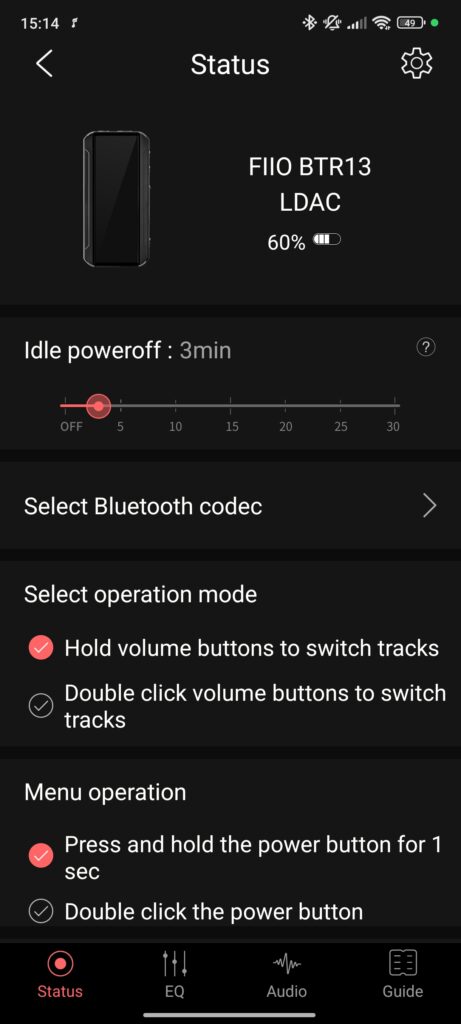
The BTR13 is designed to work with the FiiO control application, which is essential for accessing certain configuration options that are not available through the device’s internal menu. This application also facilitates adjustments to the user configurable PEQ settings that have global effect. Users can share their PEQ profiles with others, while the app supports straightforward over-the-air firmware updates. However, it is worth noting that the FiiO control application currently does not permit changes to the low pass filter, a feature that may be added in a future firmware release.
Additionally, the BTR13 is compatible with the newly introduced FiiO web application for PC, which simplifies the PEQ configuration process for users who do not utilize Android devices. As I do not use equalization, I am unable to provide further details regarding its implementation and overall performance.
Accessories
The package contains a short USB Type-C to Type-C cable along with a lanyard. Additionally, a screen protective film is factory-installed.
Power output and battery duration
The FiiO BTR13 delivers a maximum power output of 220mW at 32Ω through its balanced jack, which is sufficient for powering earphones and certain sensitive headphones, although it falls slightly short compared to other USB DAC dongles of similar size. The noise floor is nearly imperceptible, even with highly sensitive earphones, allowing users to experience a quiet background that enhances detail retrieval. I have tested the device with the FiiO FD15 earphones and the FiiO FT3 (32Ω) headphone.
In Bluetooth mode, utilizing the LDAC codec and its balanced output, the BTR13’s battery life reached approximately 7 hours. While this may not be extraordinary, it remains a commendable duration given the device’s compact dimensions.
Listening impressions
The FiiO BTR13 delivers impressive sonic performance relative to its price point, with no significant drawbacks to note, aside from certain limitations related to overall transparency, resolution, and technical aspects. These limitations are typical for this category, yet the BTR13 exceeds expectations for a device in this affordable range.
The audio profile is balanced with a hint of warmth, making the BTR13 versatile and accommodating for a range of earphones. The bass is dynamic and well-extended, exhibiting tightness and control along with good layering and definition. The mid-range offers strong presence and clarity, enriched with a variety of harmonics. The treble is well-extended, providing an energetic and well-defined sound without being overly bright or harsh. The timbre is quite natural, ensuring tonal accuracy without clinical or sterile qualities. The soundstage presents good width and spaciousness, although it tends to be somewhat flat with just adequate imaging.
In the end
The audio quality of the FiiO BTR13 is quite impressive for its category, matching the performance of other USB DAC dongles in the same price range. While such alternatives may offer slightly greater power output, they do not feature an internal battery or Bluetooth capabilities. The FiiO BTR13 shows significant enhancements compared to its predecessor, though I do wish it had kept the aluminum alloy casing found in the BTR3K. Priced at $69.99, this versatile device comes highly recommended.
Copyright – Petros Laskis 2024.
+ Stellar sound quality for the category
+ Easy going sound signature
+ Pretty powerful for the size
+ Stable Bluetooth connection
+ Handy LCD screen
+ Configuration menu
+ Compatible with the FiiO control application and web interface
+ Global PEQ and easy firmware updates
+ Patented car mode
+ Good battery duration for day use
+ Well made and assembled
+ Affordable

- USB sampling rate limited to 96kHz/16bit
- Plastic housing
- Can't remove the back clip
- Larger and heavier than the FiiO BTR3K
- Similarly sized USB DAC dongles can be more powerful
- Average technicalities and resolution








Leave a comment