

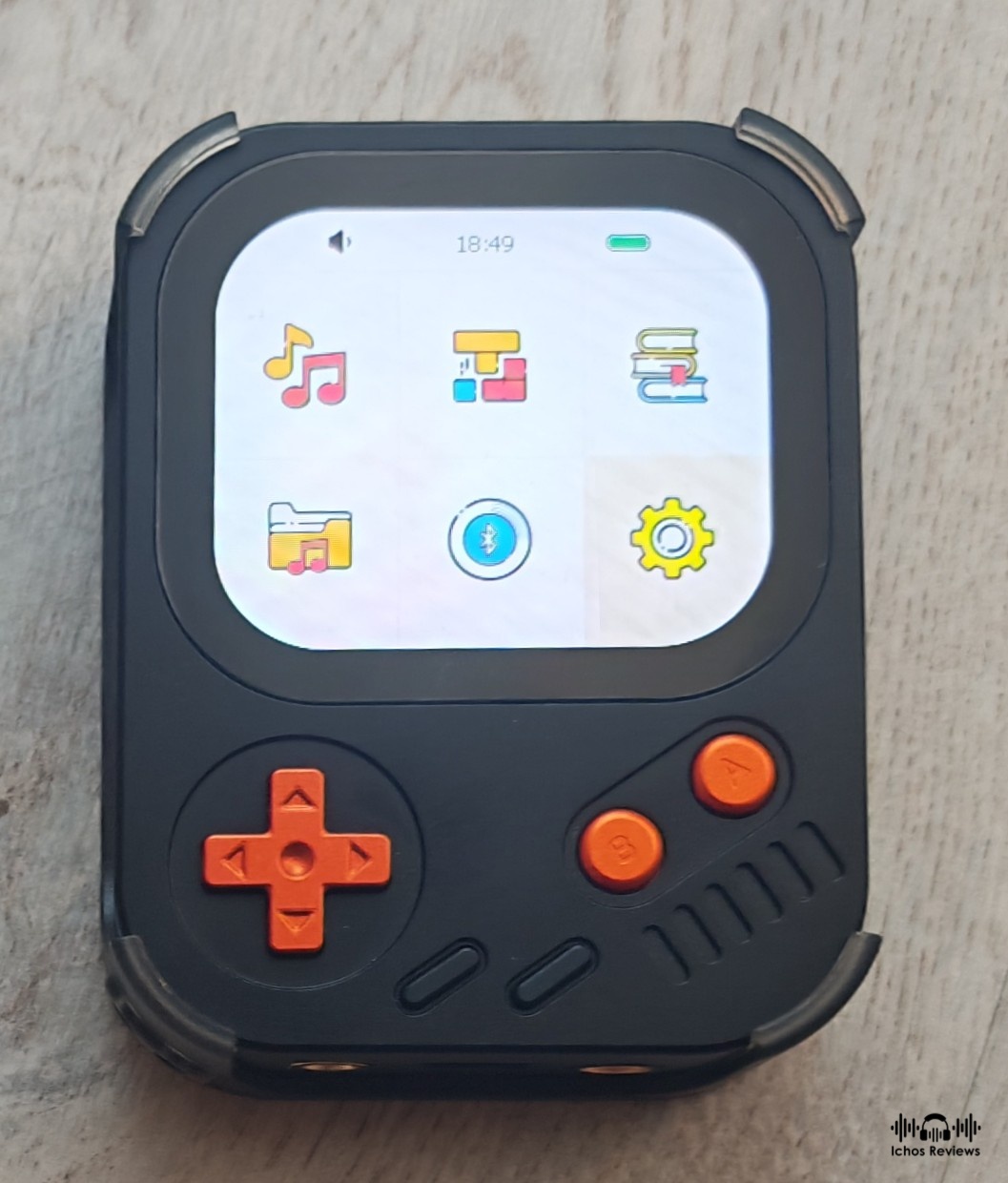

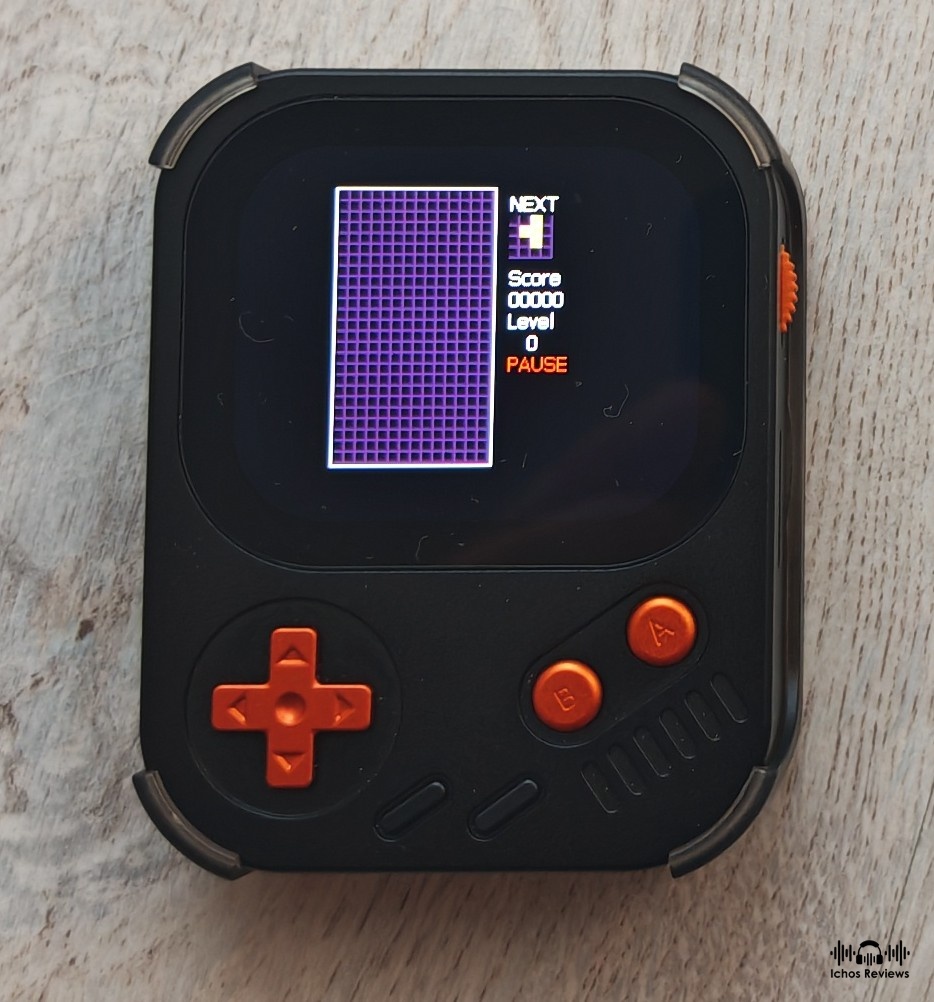
Today’s review is about the Hidizs AP30, a palm-sized digital audio player (DAP), with a built-in Tetris-like puzzle game, hence its nickname Music Boy.
The review sample was kindly provided free of charge in exchange for an honest review. I didn’t receive monetary or any other kind of compensation and I don’t use affiliate links.
The price of the AP30 Music Boy is $92 for the lightweight plastic edition and $99 for the premium CNC-machined aluminum. You can buy it directly from Hidizs.
Hidizs
Founded in 2009, Hidizs is an audio brand that specializes in making portable Hi-Fi equipment, with a product range spanning digital audio players, USB DAC/amps and in-ear monitors. They aim to release products that offer great value for money without compromising performance and build quality.
The company became known with the AP100, its first portable digital player, while the later AP80 series helped raise their reputation. The company has also entered the dongle DAC market with products such as the S8 and S9 Pro Plus, while they also have a great selection of high-quality earphones, such as the
Ichos Reviews has reviewed numerous Hidizs products over the years – click here to read all our Hidizs reviews.
Hidizs AP30 – Music Boy
The Hidizs AP30 Music Boy is the brand’s latest DAP but unlike the Hidizs AP80 PRO MAX, it doesn’t support any streaming services. It is an old school music player designed for local file playback from a microSD card, while also offering USB DAC functionality and wireless Bluetooth transmission.
Technical Overview
The AP30 might be compact but it features an advanced audio architecture where a single CS43198 DAC chip is paired with a dedicated RT6863 amplifier chip, offering a true balanced output. The volume wheel is from ALPS, while the system is powered by a RKNANOD master chip running Hidizs’ proprietary operating system. It supports native DSD256 playback and PCM up to 24-bit/192kHz, with broad format compatibility including DSF/DFF, WAV, FLAC, ALAC, APE, WMA, MP3, and OGG.
Design and Layout
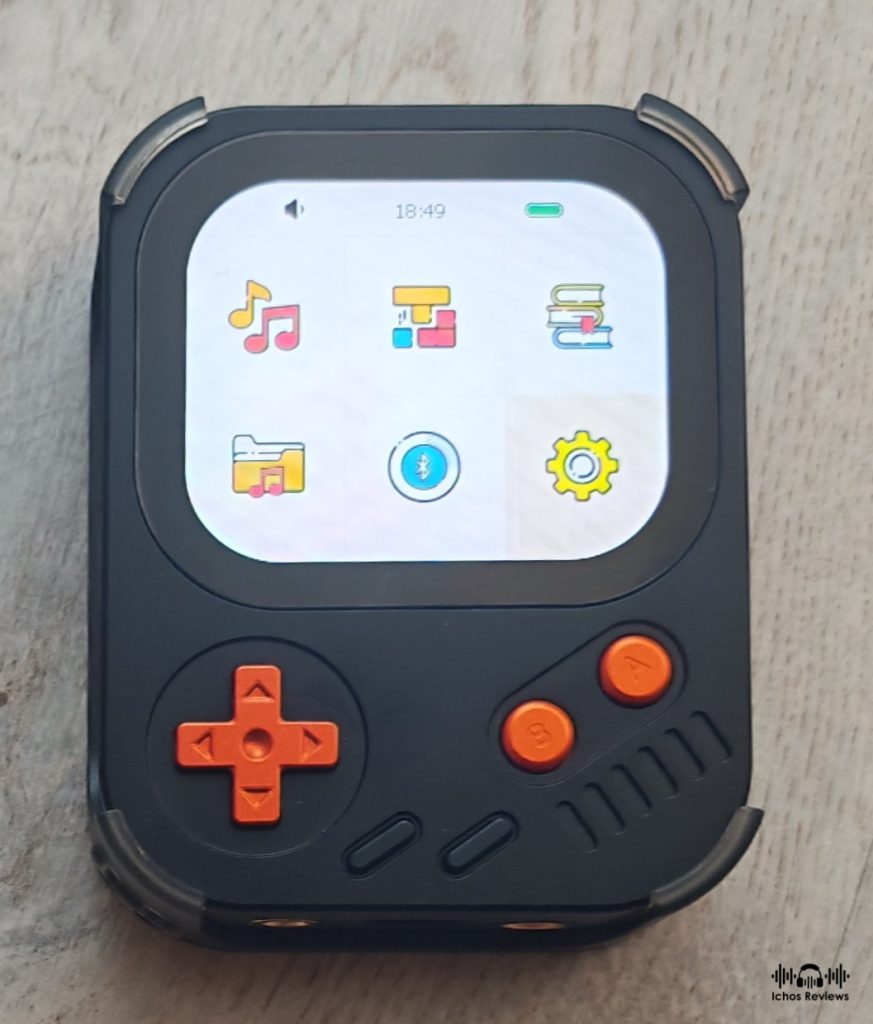
The design of the Hidizs AP30 is inspired by the legendary Nintendo Game Boy, hence its nickname, Music Boy. It is a lightweight, palm-sized device measuring 68x53x17mm and weighing 80g in the aluminum edition and a mere 56g in the plastic version.
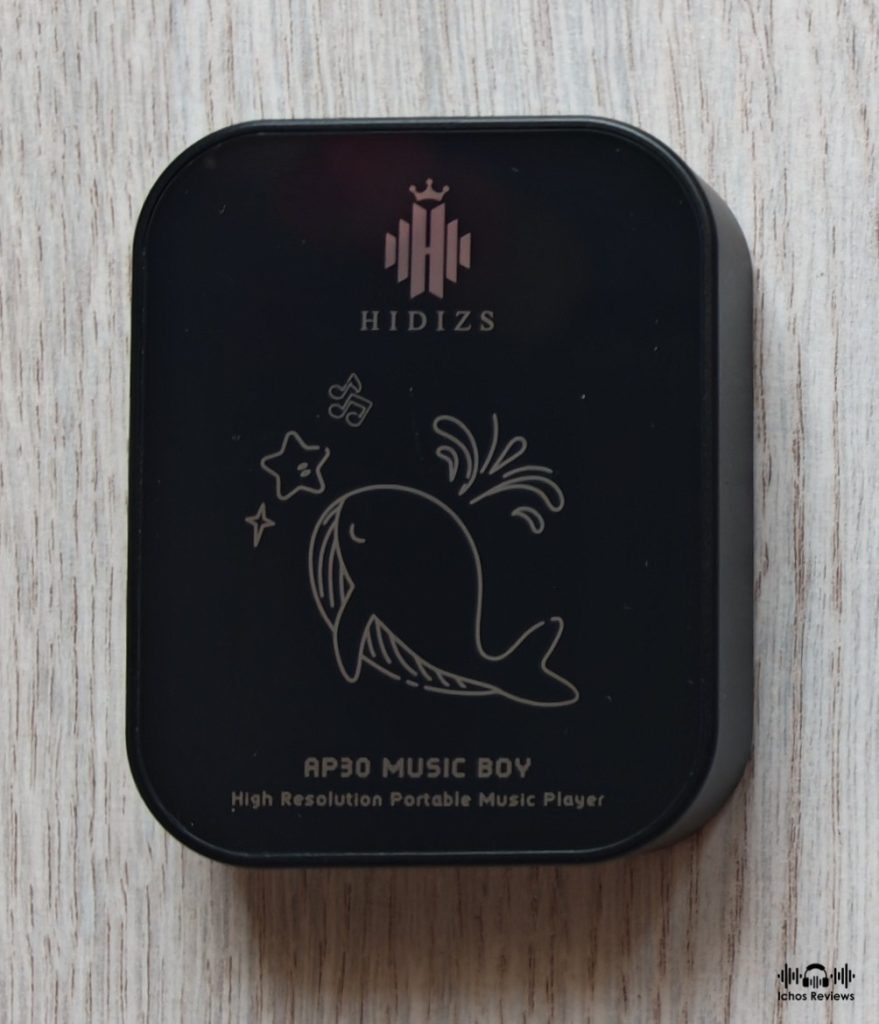
The plastic edition is available in Classic White, Shadow Black, and Crystal Ocean Blue, while the aluminum version comes in Arcade Black and Pixel Purple. The latter two plastic options feature a semi-transparent front panel that offers a glimpse of the internals. Both versions have a specially designed whale backplate, reminding Hidizs’s long time collaboration with WDC.
The plastic edition is lighter but the aluminum version feels considerably sturdier and should be less prone to wear and tear. The AP30 is comfortable to hold thanks to its smoothly rounded corners and is equipped with five buttons for easy one-handed operation.
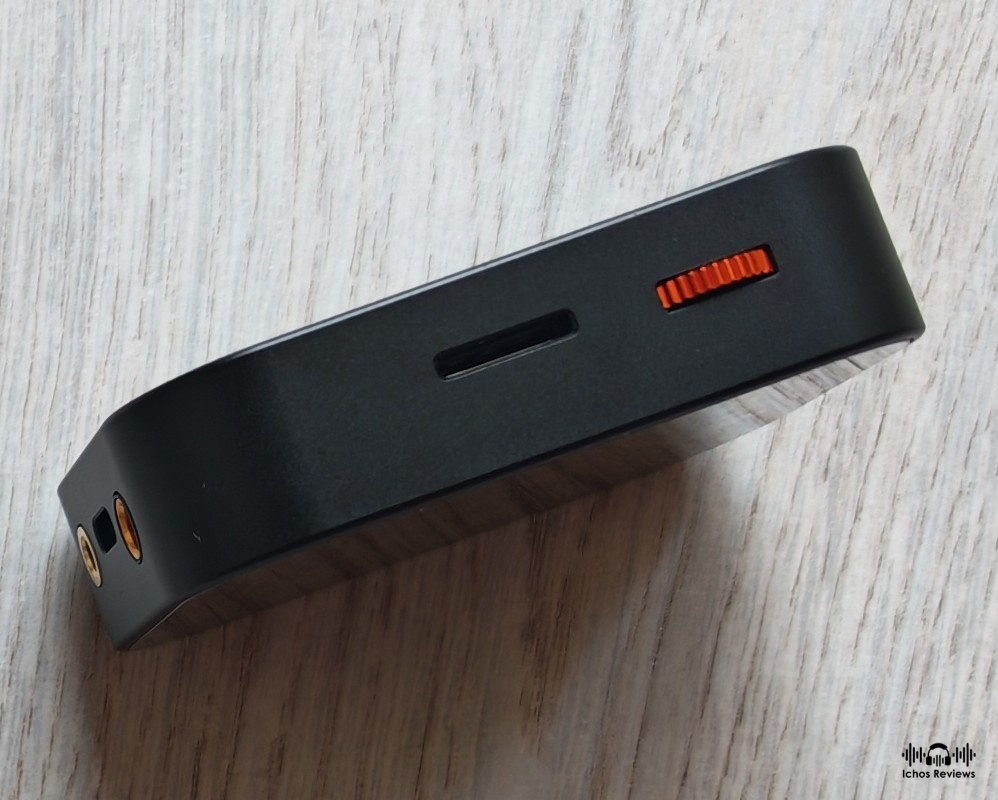
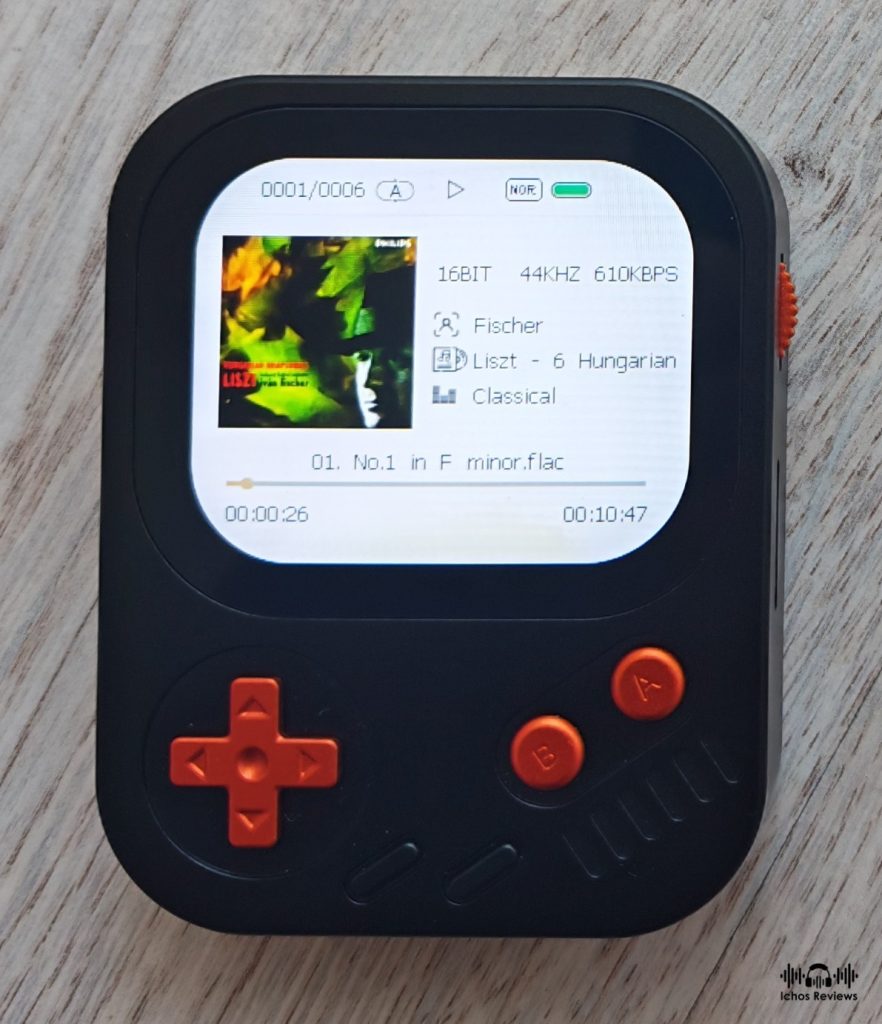
Both the overall appearance and button layout closely mimic those of the original Nintendo Game Boy. There is the classic cross-shaped D-pad, two orange A and B circular buttons and two smaller buttons in the middle. On the right side of the chassis are the power on/off button and volume control wheel, while the microSD card slot is located underneath. All buttons make audible clicking noises when pressed but the feedback is good.
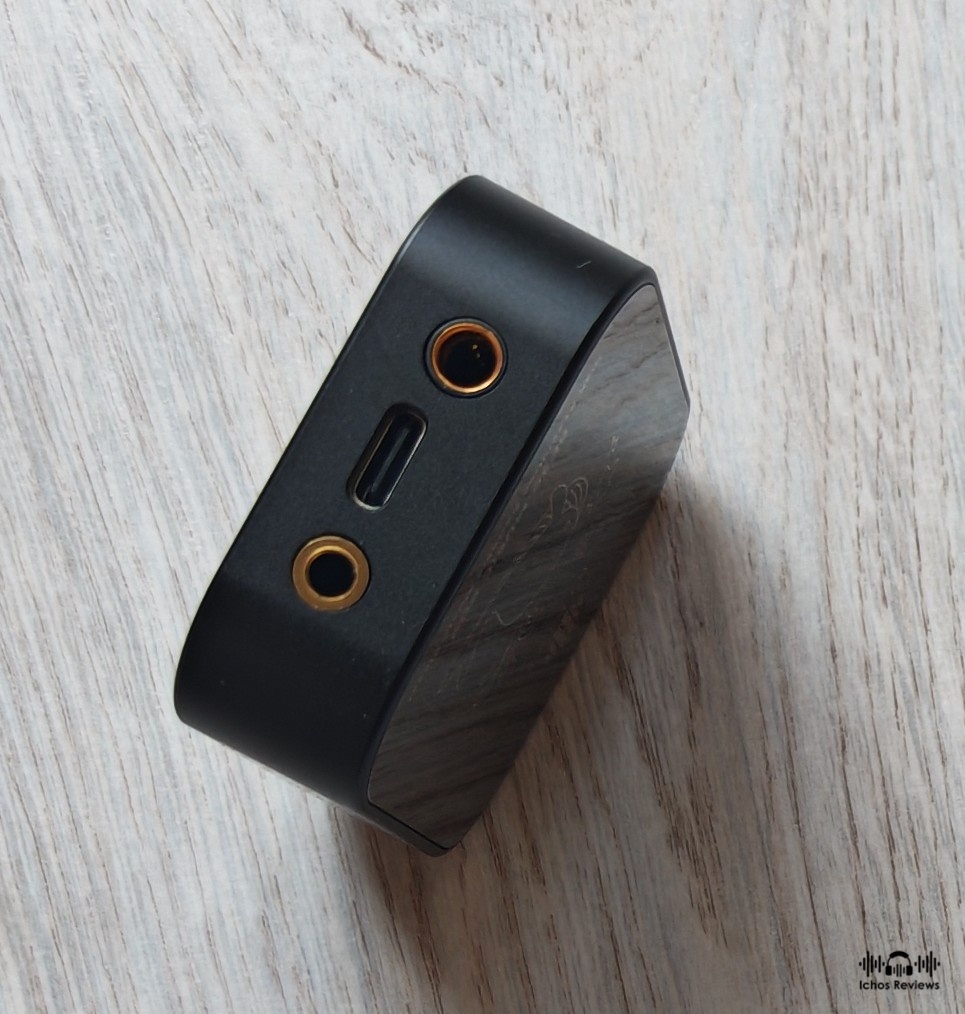
The USB-C port and the two headphone outputs are found at the bottom. Space is a little tight, though, as all three interfaces are positioned very close together, so using USB and headphone cables with larger plugs may not be practical.
User Experience
The AP30 has a 2-inch (296×240) HD IPS display and takes less than 5 seconds to boot up and reveal its home screen, which consists of a 6-icon grid in a cartoonish style. There are shortcut icons for the music library, the puzzle game, e-books, file management, Bluetooth mode, and system settings.
The music library sub-menus are Now Playing, All Music, Artist, Album, Genre, Directory List, and Favorites. You can use the buttons to control music playback and open other menus where you can add or remove favorites, set repeat for songs or folders, etc.
The music playback screen can display 2×3-sized cover art, but loading time is slow and sometimes it will not load at all, along with other useful playback information. One thing to note is that the screen cannot be woken up by any button other than the power on/off button, which is not particularly practical.
Navigating through the menus requires some learning and is not that straightforward but it is relatively simple after you get used to it. It is not the most mature software and it definitely needs some polishing that hopefully will be done with future firmware updates.
The main system settings include options to set the time and date, adjust display brightness and the off timer, set sleep and off timers, select one of the five digital filters, select low or high gain, enable or disable the buttons when the screen is off, and perform firmware updates.
The Equaliser
Hidizs has equipped the AP30 with a user configurable EQ application that becomes available when you press the left black button in music playback mode. It is a simple EQ with six preset curves and the option to individually adjust five frequency bands (60Hz, 300Hz, 1KHz, 3KHz, 6KHz ) from -6dB to +6dB in 3 steps from zero.
Bluetooth Connectivity
The Hidizs AP30 supports Bluetooth 5.3 wireless transmission, allowing you to stream music to compatible headphones and speakers. Unfortunately, only the SBC codec is supported, so you shouldn’t expect high-resolution sound.
USB DAC Functionality
The AP30 can be connected to a PC or smartphone and used as a USB DAC. There is no degradation in sound quality, but for some strange reason, the volume control wheel is disabled and volume is controlled from the host device. The AP30 cannot be used as a USB transport to an external DAC.
Accessories
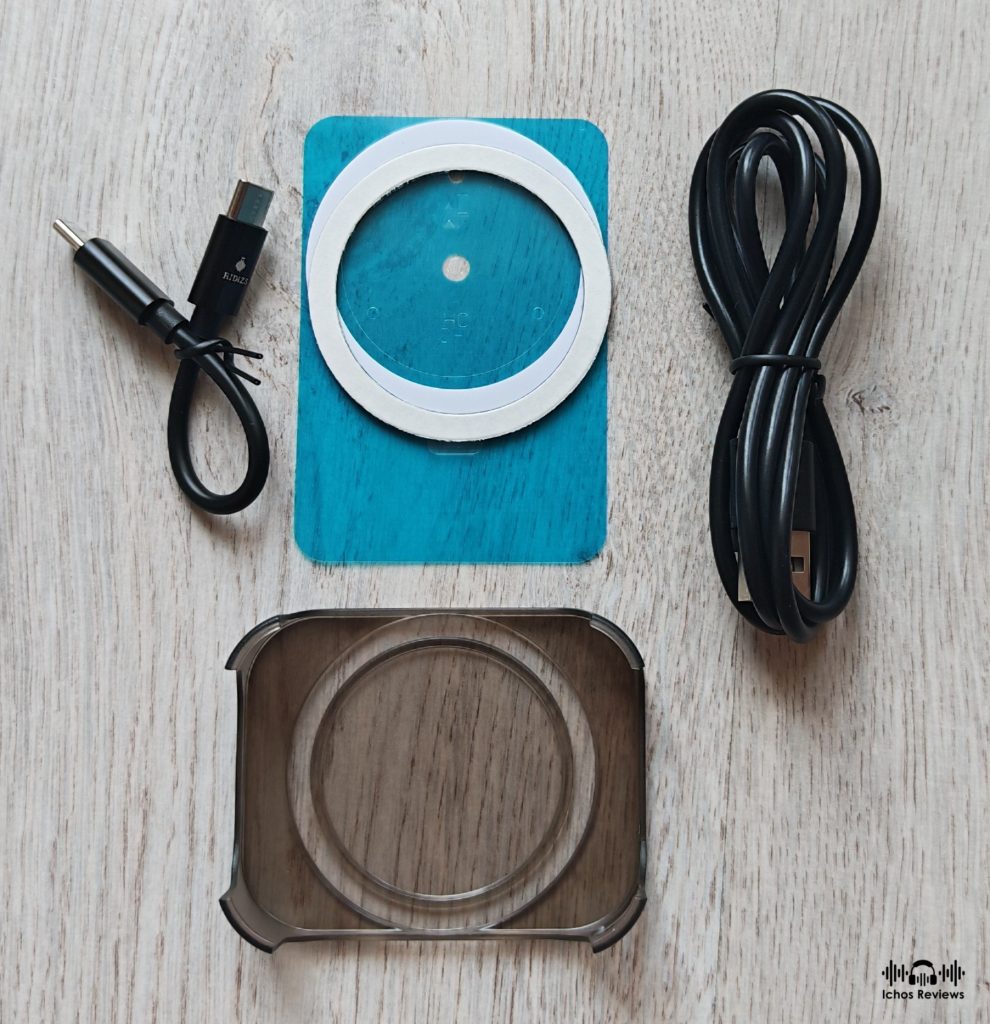
The player is generously accessorized, with the package including a Type-C charging cable, a shorter USB Type-C to C OTG cable, two screen protectors and a plastic protective case. There is also an adhesive magnetic ring that can be attached to the back of the case, allowing the AP30 to be magnetically attached to compatible MagSafe surfaces.
Battery Duration
The 1200mAh battery of the AP30 takes about an hour to fully charge and provides up to 9 hours of music playback through the balanced output. Not bad for a player of this size.
Output Power and Noise
The Hidizs AP30 might be equipped with only a single DAC and amplifier chip, but it is configured to offer both balanced 4.4mm and single-ended 3.5mm outputs, with power delivery of 137mW*2/32Ω and 61mW*2/32Ω respectively. This is not much power for a battery-powered DAP and is lower than what many DAC dongles can deliver, including Hidizs’ own S8 Pro, which provides 160mW*2/32Ω from its balanced output.
The AP30 feels more at home with sensitive in-ear monitors, but this is not necessarily a major drawback since it is specifically designed for everyday portable use. Hidizs’ own earphones, such as the MK12, make a good match, while I recommend using the balanced output as it offers the best sound quality and greater headroom. Background noise is practically inaudible and should not be an issue even with very sensitive loads.
Listening Evaluation
The audio performance is typical of the CS43198 DAC chip, delivering a crystal-clear, neutral and flat sound with a touch of extra brightness in the higher frequencies. Just enough to make the presentation sparkling and energetic without becoming too sharp or fatiguing. It is a tuning that works particularly well on the go, especially when listening in a noisy environment.
The bass is extended and technically accomplished for the category. It is fast, tight and controlled, with good layering and dynamics when paired with the right earphones. It is not the most visceral or weighty presentation, but neither is it particularly lean or dry. It can also keep up with technically demanding bass lines, given that you are not expecting class-leading performance.
The mid-range is neutral and transparent without sounding clinical or sterile. Detail retrieval is good, while separation is above average, allowing the AP30 to handle more demanding material and not just popular tunes. The overall presentation does not feel excessively flat or artificial, and the tonal balance is good, although you should not expect especially organic textures or an analog-like timbre.
The AP30 will not make your earphones sound congested or compressed, but it does not perform any miracles in terms of stage depth or width either. The presentation is spacious and open enough, although large-scale symphonic works reveal its limitations, as it struggles to convey the full scale of the music. But let’s not be too negative here, since I don’t see many people listening to Mahler’s 2nd on the train or while exercising outdoors.
Comparison with the FiiO (Snowsky) Echo Nano
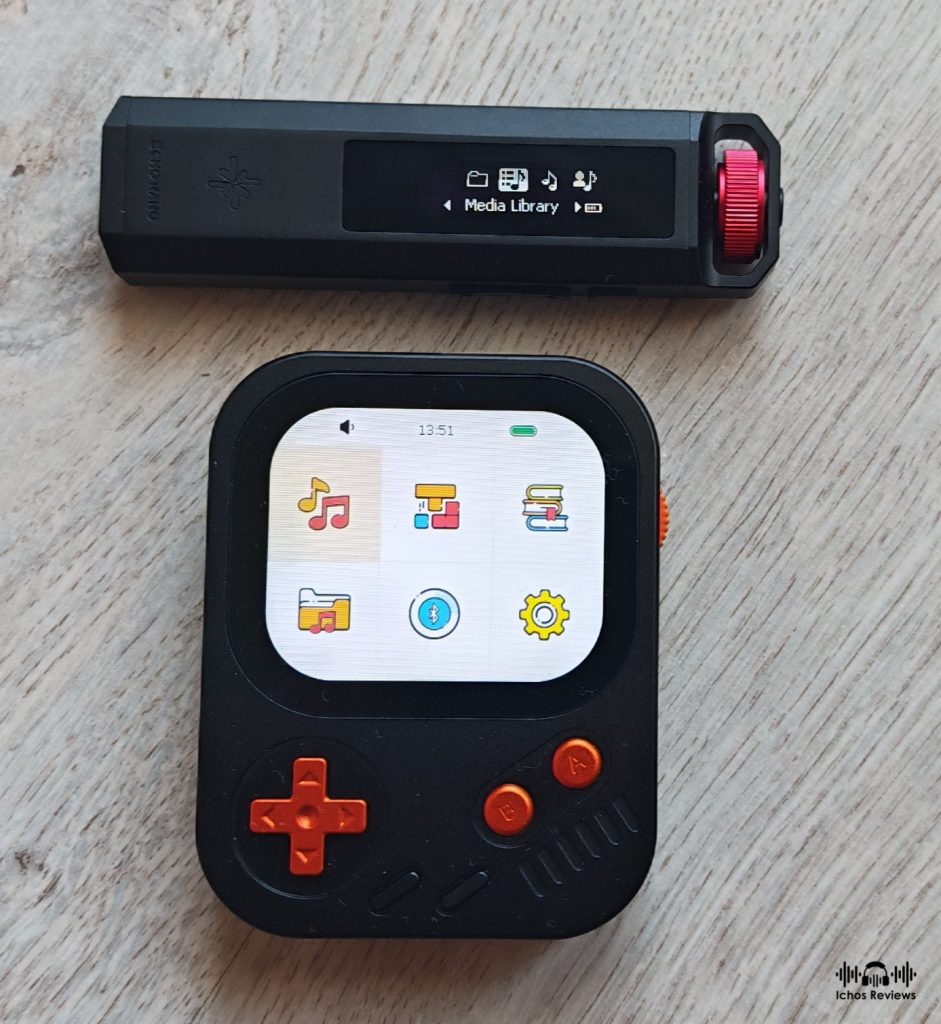
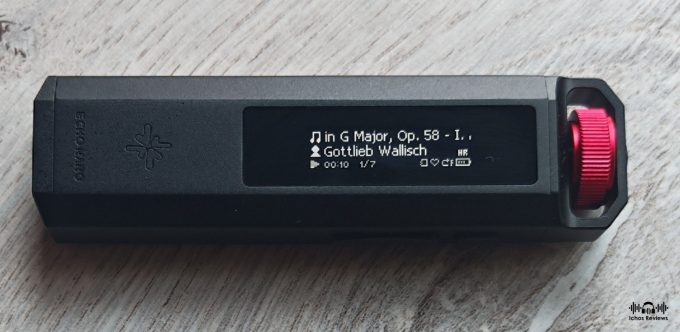
The FiiO (Snowsky) Echo Nano is a small-sized portable DAP, reviving the classic-style Sony MP3 players.
Priced at $49.99, it is less expensive than the Hidizs AP30 and is considerably more compact and lightweight – however, it lacks the 2” color display, and its screen is considerably more difficult to read.
The FiiO Echo Nano might lack a 4.4mm balanced output, but its 3.5mm jack delivers 120mW*2/32Ω, not that much less than the AP30. Battery duration is slightly lower (about 6 hours), but in exchange, you get the tiny body that fits inside a slim pocket.
Sonic comparison
The Echo Nano uses the CS43131 DAC chip, which is essentially the CS43198 with a built-in headphone amplifier, so it doesn’t come as a surprise that these two players sound more alike than different.
The AP30 has a slight advantage thanks to its balanced output, and it sounds a little more spacious and open than the Echo Nano. Resolution and separation are also marginally better, as is bass impact. On the other hand, the Nano has a less bright top-end, while its textures are somewhat fuller and carry more weight.
Eventually, the choice comes down more to size and weight than to any major sonic differences. Pick the FiiO if you want the smallest and lightest device possible, or go for the AP30 if you prefer the convenience of its larger screen along with a touch of extra power and battery life.
Last Minute Update
After publishing the review, Hidizs has released a firmware that adds 10 new games to the AP30.
Retro Block Puzzle, Snake, Box Pusher, Brick Breaker, Block Shooter, Tank Battle, Gomoku, Minesweeper, Maze, Sudoku and Make 24.
Production units will have all 11 games built-in, and Hidizs is also working on more games for AP30. Don’t forget that you can play the games while listening to your favorite music.
In the End
The Hidizs AP30 is a retro-inspired digital audio player that can become a good companion for anyone looking for a small and lightweight DAP that still has a screen large enough for easy navigation and cover art display.
Sound quality is good, power is enough for your daily drivers, and battery duration is sufficient for a full day of use. The AP30 is also very well made, has great looks, and includes a puzzle game to keep you busy while listening to your favorite tunes.
The software needs some further improvement, but other than that, the AP30 is a good entry-level DAP with a unique appearance that sets it apart from the competition.
Pros
Good sound quality
No background noise
Decent battery life for daily use
Game Boy-inspired design
2” color display
EQ application
MagSafe-compatible protective case
11 Retro puzzle games
Small and lightweight
Available in aluminum and plastic versions
Very well made
Cons
Low output power
Bluetooth is limited to transmission and SBC codec
The UI needs some polishing
Volume wheel is disabled in USB DAC mode
Cover art does not always display correctly
Copyright 2026.
Authored by Petros Laskis for Ichos Reviews. All content is original and copyrighted. Republishing full reviews or portions without written permission is prohibited. Excerpts up to 100 words are allowed with a direct link.



Leave a comment